16 Boho Dining Room Ideas for a Stylish Space
Boho dining rooms are all about creating a relaxed, inviting atmosphere with personality and warmth. The style combines natural textures, earthy colors, vintage-inspired pieces, and layers of comfortable decor. Whether you have a large dining area or a compact nook, bohemian elements can make the space feel more collected and welcoming. In American homes, boho dining rooms work especially well with open layouts, natural wood, indoor plants, and casual entertaining spaces. You don’t need to completely redesign the room to achieve the look. A few thoughtful changes can bring in the right balance of texture, color, and character. From rattan furniture to woven lighting, there are countless ways to introduce boho style. These 17 boho dining room ideas will help you create a stylish space that feels comfortable, personal, and effortlessly beautiful.
1. Natural Wood Dining Table

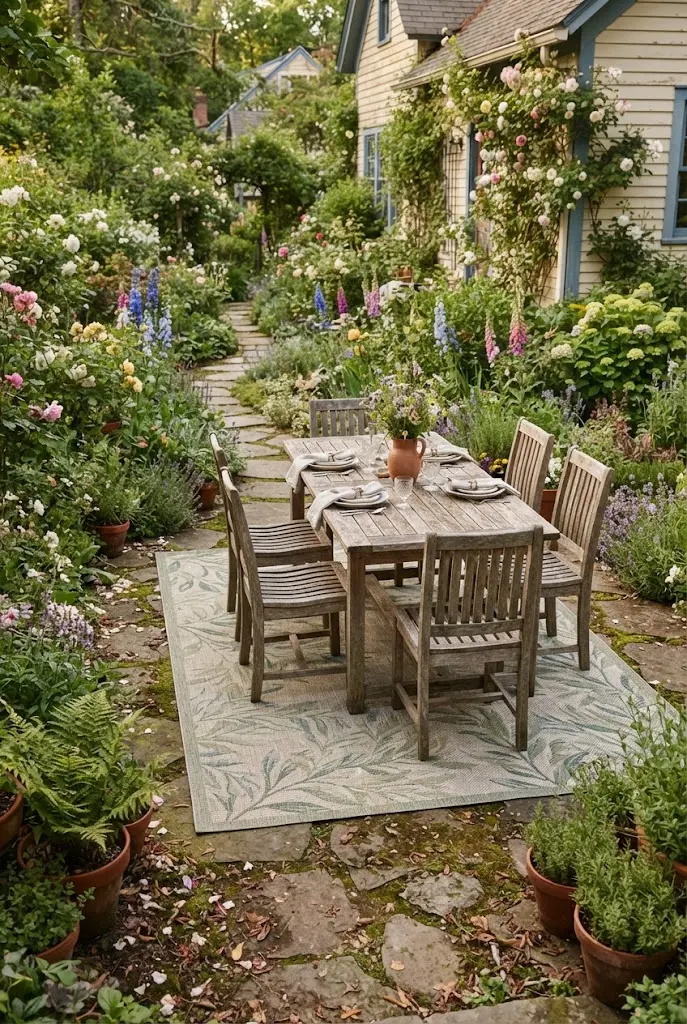
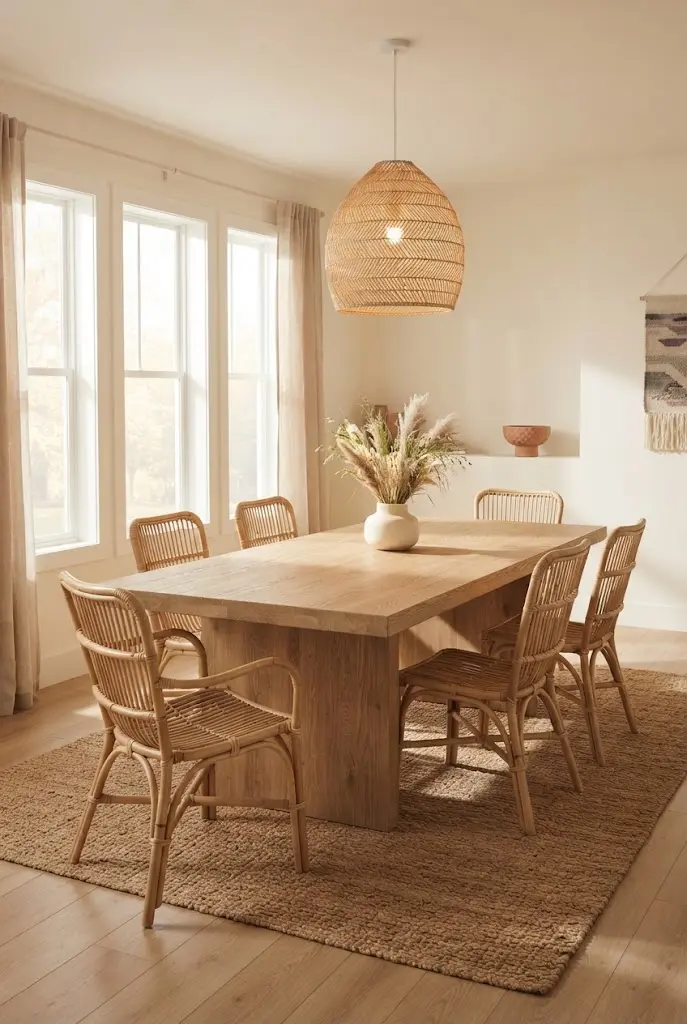
A natural wood dining table is one of the best starting points for a boho dining room because it instantly adds warmth and organic character. Choose a table with visible wood grain rather than an overly polished finish. Light oak, walnut, reclaimed wood, and warm medium-toned woods can all work beautifully. Pair the table with woven chairs to create contrast between smooth and textured surfaces. Keep the centerpiece simple with a handmade ceramic vase, dried branches, or fresh greenery. A neutral runner can add softness while maintaining the relaxed appearance. A large woven rug underneath can help visually define the dining area. Natural wood also pairs easily with earthy boho colors such as beige, terracotta, olive, and caramel. This combination feels especially welcoming in open-concept American homes. The result is a timeless dining space that feels comfortable without appearing overly formal.
2. Rattan Dining Chairs

Rattan dining chairs can immediately introduce a relaxed bohemian feeling without requiring a major room makeover. Their woven construction brings natural texture and visual warmth to the dining area. Choose chairs in natural honey, beige, or light brown tones to complement a wooden table. You can use matching rattan chairs throughout the room or combine them with upholstered chairs for a more collected look. Adding neutral seat cushions makes the chairs more comfortable for long dinners and gatherings. Rattan also works beautifully with jute rugs, linen curtains, and woven lighting. Keep the surrounding decor relatively simple so the texture of the chairs remains noticeable. Indoor plants can reinforce the natural character of the material. This style works particularly well in casual American dining areas and open-plan homes. With the right accessories, rattan chairs can make the room feel warm, airy, and effortlessly stylish.
3. Layered Neutral Textures

A neutral color palette becomes much more interesting when several natural textures are layered together. Start with warm ivory, cream, or beige walls and then introduce wood, rattan, linen, jute, cotton, and ceramic pieces. A light wooden dining table can provide the foundation while woven chairs bring additional texture. Add a thick jute rug underneath to make the floor feel softer and more grounded. Linen curtains can create a relaxed look around the windows. Handmade ceramics can provide small variations in shape and finish. Keep most colors within a warm neutral palette so the room feels cohesive rather than busy. Small touches of muted terracotta or olive can provide contrast. This approach is especially useful if you prefer sophisticated interiors without strong colors. The different textures create depth even when the color scheme remains simple. The finished room feels calm, organic, and naturally luxurious.
4. Statement Woven Pendant Light

Lighting can become a major design feature in a boho dining room, especially when you choose an oversized woven pendant. Rattan, seagrass, bamboo, and other natural fibers all work well with this style. A sculptural pendant positioned directly over the dining table can create an instant focal point. Choose a fixture that is large enough to feel intentional but still proportional to the table. During the day, the woven shade adds texture to the ceiling area. In the evening, warm lighting can create beautiful shadows across the walls and furniture. Pairing the pendant with natural wood and neutral textiles keeps the overall design cohesive. Avoid using several competing statement fixtures in the same room. One eye-catching pendant is usually enough to establish the boho atmosphere. Add candles or small lamps for additional warmth if needed. This simple lighting change can completely transform an otherwise ordinary dining room.
5. Earthy Terracotta Accents

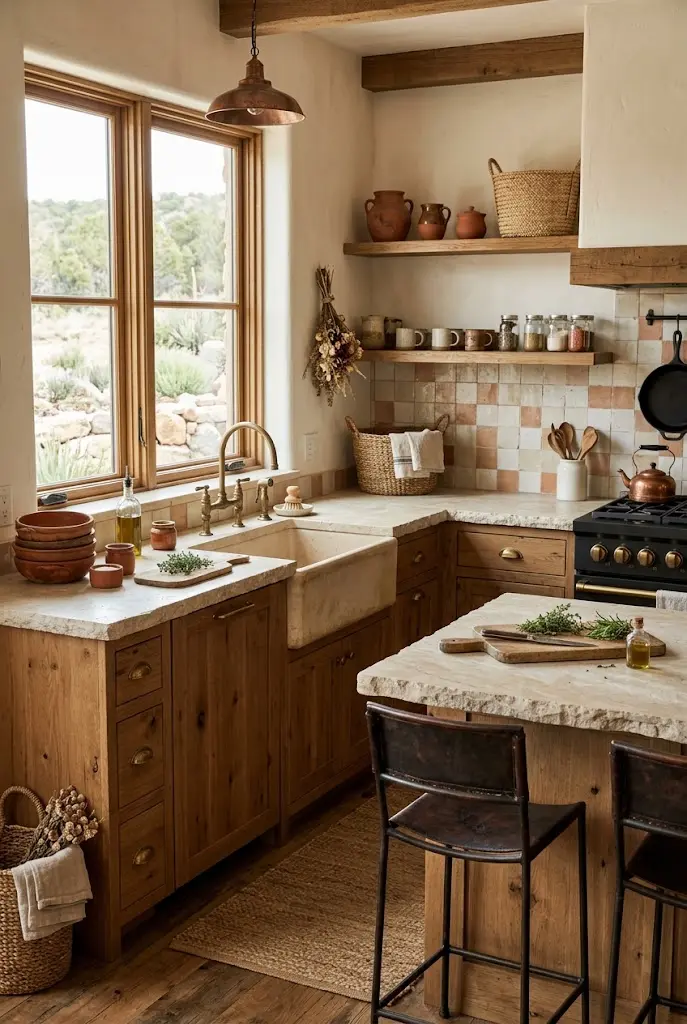
Terracotta is a natural choice for adding warmth and personality to a boho dining room. The earthy color works beautifully with natural wood, cream, beige, and woven materials. You do not need to paint the entire room terracotta to make an impact. Instead, introduce the shade through pottery, table linens, cushions, artwork, or decorative accessories. A handmade terracotta vase can become the centerpiece of the dining table. Clay-colored artwork can also add visual interest to an otherwise neutral wall. Pair terracotta with muted olive green for a nature-inspired palette. Keeping larger furniture pieces neutral prevents the accent color from becoming overwhelming. Natural materials such as rattan and jute soften the overall appearance. This approach works particularly well if you want your dining room to feel warm but still sophisticated. A few carefully selected terracotta pieces can give the entire space a more artistic personality.
6. Boho Gallery Wall

A gallery wall can make a dining room feel personal, artistic, and collected. Boho gallery walls often combine botanical artwork, abstract prints, woven wall pieces, vintage-inspired illustrations, and handmade decorative objects. Use natural wood or neutral-colored frames to maintain a cohesive appearance. Instead of arranging every frame in a rigid grid, create a balanced composition with varied sizes. Keep the artwork within earthy shades such as cream, brown, beige, muted green, and terracotta. A woven wall hanging can add three-dimensional texture to the arrangement. Position the gallery wall beside or behind the dining table where it can become a natural focal point. Avoid overcrowding the wall with too many competing elements. A nearby wooden sideboard can provide additional display space. This design works particularly well for homeowners who want their dining room to reflect their personality. The finished wall adds character without making the room feel overly formal.
7. Greenery-Filled Dining Space

Indoor plants are an easy way to bring life and freshness into a boho dining room. Large leafy plants can fill empty corners while smaller plants can decorate sideboards or shelves. Choose natural planters made from terracotta, woven fibers, stone, or handmade ceramic. A tall indoor tree beside the dining table can create vertical interest. Plants also complement natural wood and rattan particularly well. Avoid placing too many plants directly on the dining table because they can interfere with meals. Instead, distribute greenery around the room for a balanced effect. Warm ivory walls create an excellent backdrop for rich green foliage. Natural daylight makes the leaves look especially vibrant and realistic. The combination of greenery and organic materials creates a calm, nature-inspired environment. This is one of the easiest boho updates for renters and homeowners alike.
8. Vintage-Inspired Dining Furniture

Vintage-inspired furniture can give a boho dining room more depth and personality. Instead of purchasing an entire matching dining set, consider combining an older-looking wooden table with newer woven chairs. A vintage sideboard can also become a practical and attractive storage piece. Look for warm wood tones, gently aged finishes, and interesting traditional silhouettes. The goal is to make the room feel collected rather than like a perfectly coordinated furniture showroom. Handmade ceramics, woven baskets, and plants can complement vintage pieces naturally. Keep modern elements simple so the older furniture remains visually important. A soft neutral rug can help connect the different pieces together. Vintage-inspired furniture works particularly well in homes where you want a relaxed, lived-in atmosphere. Small imperfections can actually make the room feel more authentic. The result is a dining room with character, warmth, and a sense of history.
9. Layered Boho Rugs

Rugs can help define the dining area while adding softness and texture underfoot. Natural jute rugs are particularly popular for boho interiors because they complement wood and rattan beautifully. For more personality, you can place a subtle vintage-style flatweave rug over a larger natural fiber rug. Choose faded patterns in cream, beige, muted brown, rust, or olive rather than highly saturated colors. Make sure the rug extends far enough beyond the table so the dining chairs remain on it when pulled backward. This is especially important for comfortable everyday use. A layered rug arrangement can also visually separate a dining zone in an open-concept American home. Keep the rest of the decor relatively simple if the rug has a noticeable pattern. The natural fibers help make the room feel warm and grounded. This small styling detail can add considerable depth. It also creates a cozy foundation for the entire dining area.
10. Handmade Ceramic Centerpiece

Handmade ceramics are an excellent way to add an artisanal feeling to your dining table. Unlike perfectly uniform factory-made accessories, handmade pieces often have subtle variations in shape, texture, and finish. A large ceramic vase can become the main centerpiece without overwhelming the table. Fill it with dried grasses, eucalyptus, olive branches, or simple seasonal greenery. Surround the vase with a few smaller bowls or candleholders for additional texture. Neutral ceramic finishes such as cream, sand, clay, and warm beige work particularly well with boho furniture. Keep the centerpiece low enough to preserve clear sightlines across the table. Pair handmade ceramics with linen napkins and wooden serving boards for a cohesive look. This creates a table that feels artistic but still practical. The imperfect details make the space feel more personal. It is a simple way to introduce handcrafted character into an otherwise modern dining room.
11. Open Shelving With Natural Decor

Open shelving provides an excellent opportunity to combine practical storage with decorative styling. Natural wood shelves can hold everyday dining items while also displaying your favorite boho accessories. Use shelves for handmade ceramics, woven baskets, wooden serving boards, small plants, and vintage-inspired objects. Avoid filling every available space because empty areas help create visual balance. Group objects by height and vary their shapes to make the arrangement more interesting. Keeping the colors within the same earthy palette prevents the display from looking chaotic. Open shelves are particularly useful in smaller dining rooms where bulky cabinets may make the room feel crowded. They also keep frequently used serving pieces easy to reach. Add a small plant or dried botanical arrangement for additional natural texture. A few carefully chosen objects can tell a story about the people living in the home. This creates a dining space that feels practical, warm, and personal.
12. Warm Ambient Lighting

Warm lighting can make a boho dining room feel dramatically more inviting, especially in the evening. Rather than depending on one bright ceiling fixture, layer several gentle sources of light throughout the room. A woven pendant can provide the primary illumination above the dining table. Small candles or ceramic candleholders can create a softer atmosphere during dinner. Wall sconces or a nearby floor lamp can add additional warmth. Choose warm-white bulbs rather than cool blue-toned lighting. Natural materials such as rattan, ceramic, aged metal, and wood look especially beautiful under warm illumination. Dimmers can make it easier to adjust the atmosphere for different occasions. Keep the lighting comfortable enough for dining while avoiding excessive brightness. This creates an intimate environment without making the room feel dark. Warm lighting is particularly effective when paired with earthy boho colors and natural textures.
13. Cozy Boho Dining Nook

A small dining nook can become one of the coziest areas in a home when decorated with boho elements. Start with a compact round wooden table that fits comfortably within the available space. A built-in bench can provide extra seating without requiring several individual chairs. Add two rattan chairs on the opposite side for texture and contrast. Soft cushions can make the bench more inviting. A woven pendant centered above the table can visually define the dining zone. A round mirror can reflect light and make the area feel more spacious. Floating shelves can provide storage without taking up floor space. Keep the color palette light with cream, beige, natural wood, and muted green. This approach works particularly well in apartments, breakfast corners, and smaller American homes. The finished nook can feel intimate, functional, and stylish without sacrificing valuable space.
14. Macramé Wall Decor

Macramé wall art is a classic boho accessory that adds handmade texture to a dining room. A large cream or beige cotton wall hanging can create an attractive focal point without introducing strong colors. Position it above a sideboard or on the main wall near the dining table. Its soft woven texture contrasts beautifully with harder materials such as wood, glass, and ceramic. Choose a simple design if the room already contains several decorative elements. A small plant or ceramic vase underneath can complete the arrangement. Neutral macramé works particularly well against warm ivory, beige, or muted clay walls. It can also make a dining room feel more relaxed and artistic. Avoid placing several large textile wall pieces together because they can compete visually. One substantial macramé hanging is often enough. This simple feature can instantly reinforce the room’s bohemian character.
15. Olive and Sage Green Accents

Muted olive and sage green can bring a natural, calming quality to a boho dining room. These shades pair especially well with warm wood, cream walls, rattan, and terracotta. You can introduce green through cushions, curtains, artwork, table linens, or small accessories. Indoor plants can reinforce the color naturally without making the room feel overly decorated. Keep the greens muted rather than bright for a sophisticated appearance. A sage accent wall can also work if you want a more noticeable transformation. Combining green with beige and natural wood creates a palette inspired by outdoor landscapes. A few terracotta accessories can provide a warm counterpoint. Avoid using too many different shades of green because the room can quickly become visually busy. Instead, repeat one or two related tones throughout the space. The result is fresh, earthy, and relaxing.
16. Eclectic Mix-and-Match Seating

Mix-and-match seating is a natural fit for boho interiors because the style does not depend on perfect uniformity. Instead of purchasing six identical dining chairs, combine several styles that share related colors and materials. For example, rattan armchairs can be placed at the ends of the table while simple wooden or upholstered chairs occupy the sides. Keep the overall palette connected through cream, beige, natural wood, and woven textures. Cushions can help visually link different chair designs. The key is to create intentional variety rather than random mismatching. Make sure every chair is comfortable and approximately the same height for practical dining. A vintage-inspired chair can become an attractive accent piece. This approach works especially well in relaxed American dining rooms. It gives the space a collected personality without making it look disorganized. The finished room feels casual, creative, and welcoming.
Final Thoughts
Creating a stylish boho dining room does not require replacing every piece of furniture. Start with natural materials such as wood, rattan, jute, linen, and handmade ceramics, then build the room with layers of texture and earthy accents. Greenery can add freshness, while terracotta and muted olive can introduce subtle color. Vintage-inspired pieces and eclectic seating can make the room feel more personal and collected. Most importantly, keep the space comfortable enough for everyday life. A successful boho dining room should feel relaxed rather than perfectly staged. With these 17 boho dining room ideas, you can create a warm and inviting space that feels stylish, natural, and welcoming for both everyday meals and casual entertaining.