9 Simple Plant Corner Ideas That Make Any Room Feel Fresh
A plant corner can change the mood of a room without requiring new furniture, major decorating work, or much floor space. Even one thoughtfully placed plant can soften a hard corner, bring color to a neutral interior, and make an overlooked part of the room feel intentional.
The most successful plant corners are not necessarily the ones packed with the most greenery. Light, scale, container choice, and placement matter more. A tall floor plant might be enough for a narrow living-room corner, while a small collection arranged at different heights can work beautifully beside a window or in an apartment bedroom.
These nine plant corner ideas range from simple, renter-friendly arrangements to a few more polished setups. Each can be adapted to the amount of natural light and space available in your home. When choosing plants, match individual species to the actual light, watering, and care conditions in the location rather than choosing solely for appearance.
1. Create a Layered Corner With Plants at Three Heights
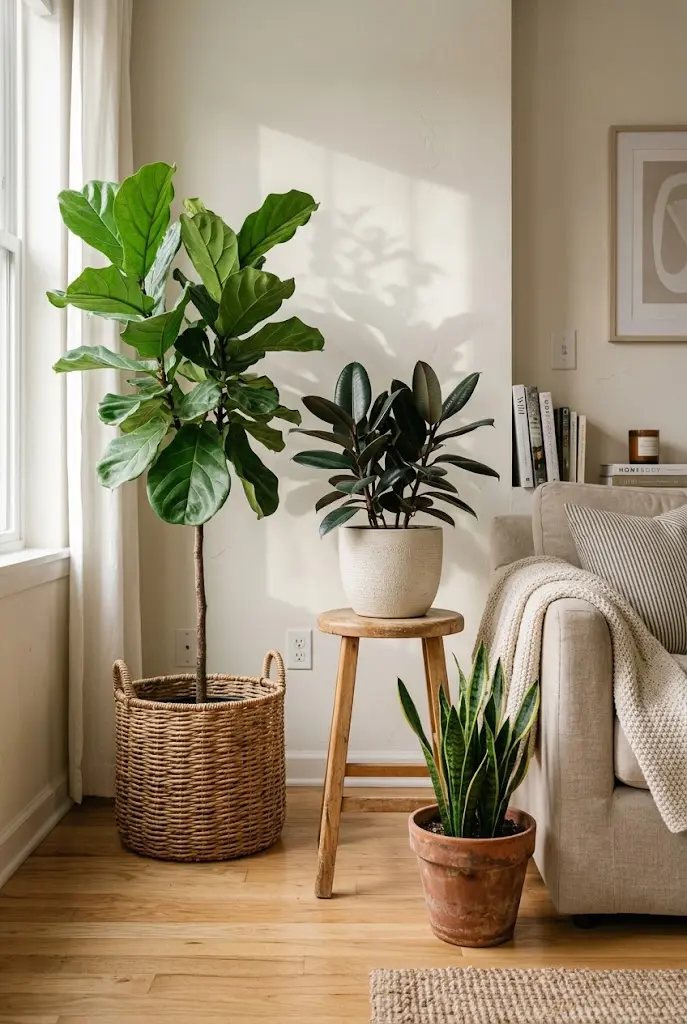
Instead of lining several pots across the floor, build the arrangement vertically. Start with one taller floor plant, add a medium plant on a stool or simple stand, and finish with a smaller pot closer to the foreground.
The height changes give each plant its own visual space and make a collection of only three plants feel fuller. This is particularly useful in apartments and smaller living rooms where you want greenery without turning an entire wall into an indoor garden.
Keep the containers somewhat related without making them identical. For example, combine warm terracotta with an off-white ceramic planter and a woven basket. Repeating two or three materials helps the corner look collected rather than cluttered.
Before settling on the arrangement, view it from the main doorway and seating area. The plants should create an interesting silhouette without blocking a walkway or making the room feel crowded.
2. Turn a Bright Window Corner Into a Green Retreat
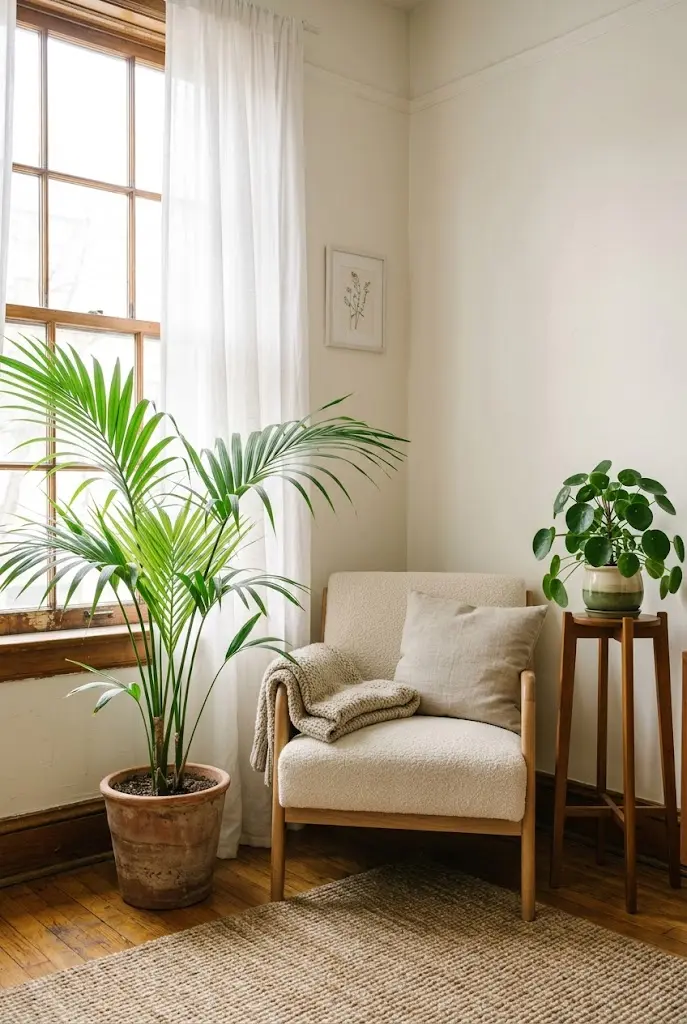
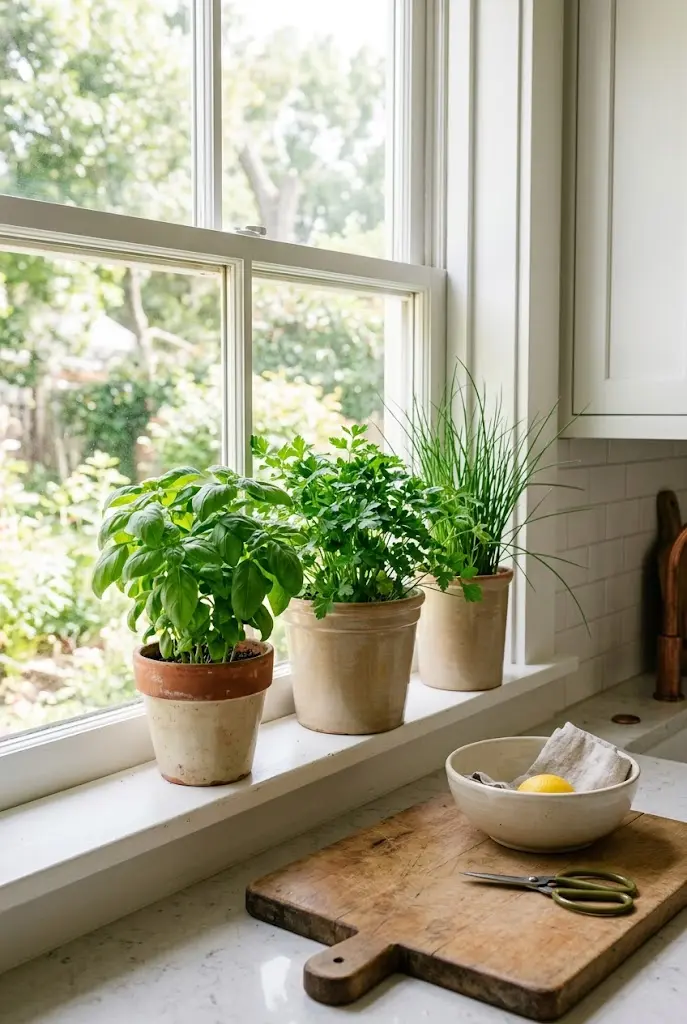
A corner beside a window is an obvious candidate for plants, but resist the temptation to fill every inch of it. Leaving some breathing room between foliage can make the arrangement look more intentional and allows individual plant forms to stand out.
Use the window as the visual anchor. A substantial floor plant can occupy one side while a smaller plant on a stand fills the lower level. If space permits, a compact chair can turn the area into a pleasant reading corner.
Remember that “near a window” does not automatically mean the same growing conditions for every plant. Window orientation, distance from the glass, curtains, nearby buildings, and seasonal changes can all affect the available light. Choose plants according to the conditions in your particular spot.
For rentals, this arrangement is especially practical because most of the impact comes from movable pieces rather than permanent changes.
3. Use One Oversized Plant as the Entire Corner
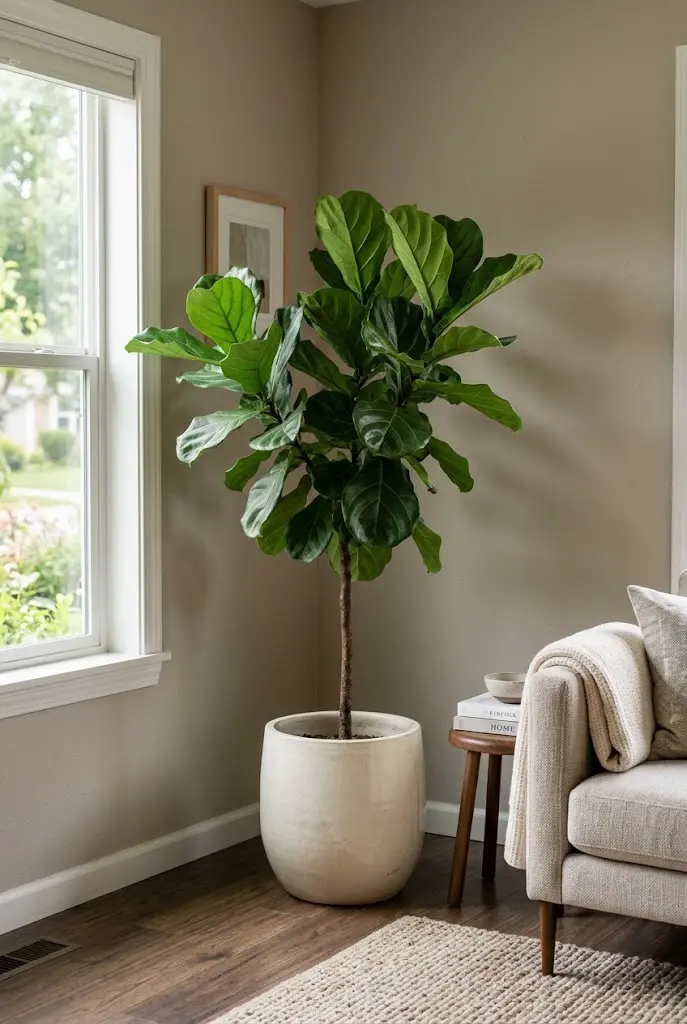
Sometimes the simplest plant corner is just one plant.
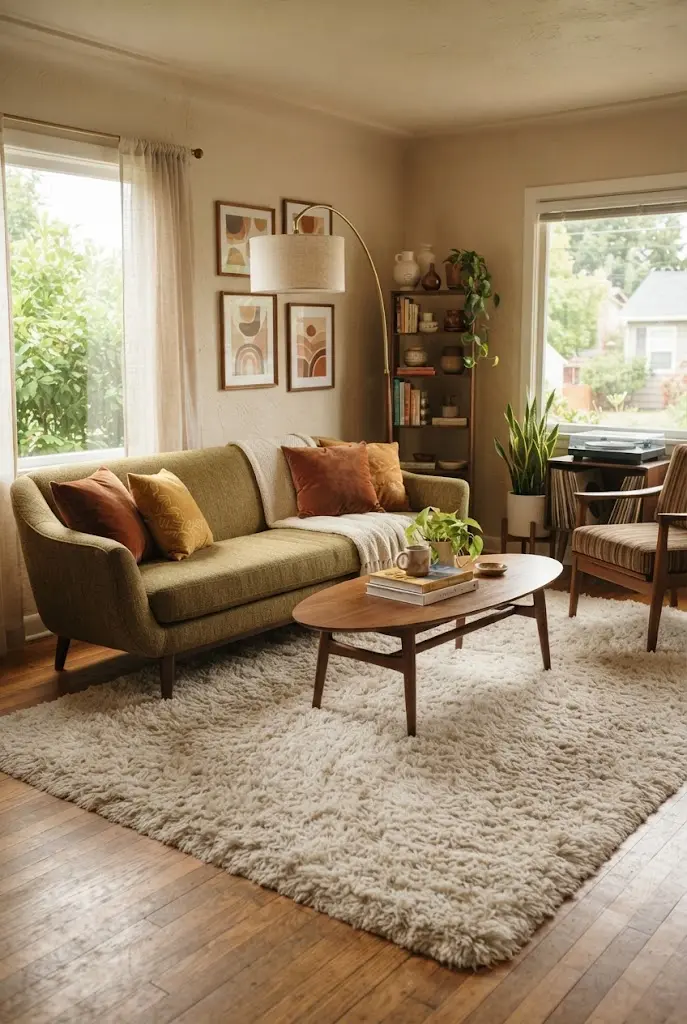
A large floor plant with a strong silhouette can give an empty living-room corner enough visual weight without shelves, stands, or clusters of smaller pots. This approach works particularly well in rooms that already contain artwork, patterned textiles, or plenty of furniture.
Choose a planter that looks appropriately scaled to both the plant and the room. A tiny pot beneath a visually substantial plant can make the proportions feel awkward, while an excessively decorative container may compete with the foliage.
For a cleaner appearance, try a matte ceramic planter, textured stone-look vessel, or simple basket-style cover that relates to other materials already used in the room.
The result is greenery that feels architectural rather than decorative.
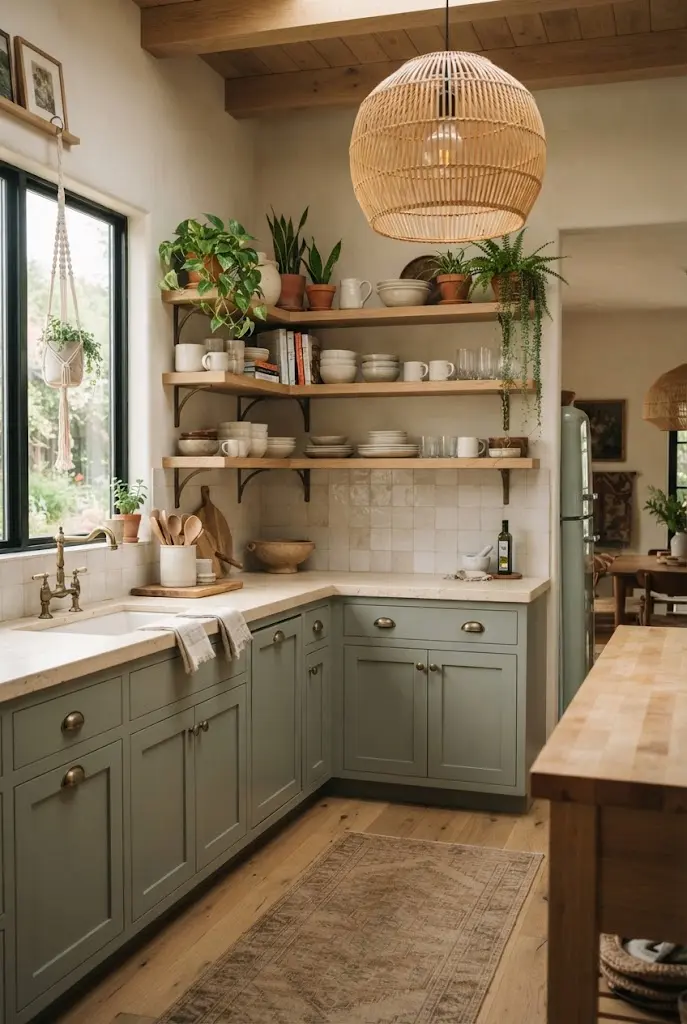
4. Build a Small Plant Corner on Floating Shelves
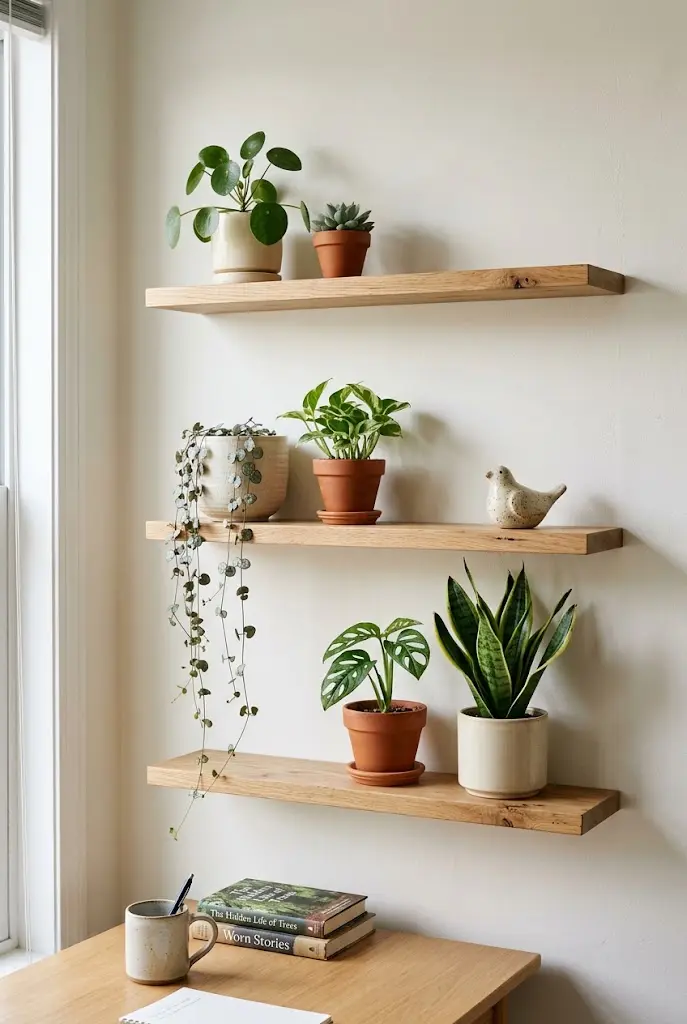
When floor space is limited, look upward.
A few wall-mounted shelves can create room for small plants while preserving valuable floor area. This approach can work beside a desk, in a compact living room, or in another small area where a collection of floor planters would be impractical.
Avoid covering every inch of every shelf. Mix greenery with intentional empty space and perhaps one or two simple decorative objects. A plant with gently trailing foliage can help visually connect the shelves.
Renters should use wall-mounting methods permitted by their lease and appropriate for the wall construction and load. If permanent shelves aren’t practical, a freestanding narrow shelving unit can create a similar vertical effect.
5. Add a Plant Corner Beside Your Bedroom Dresser
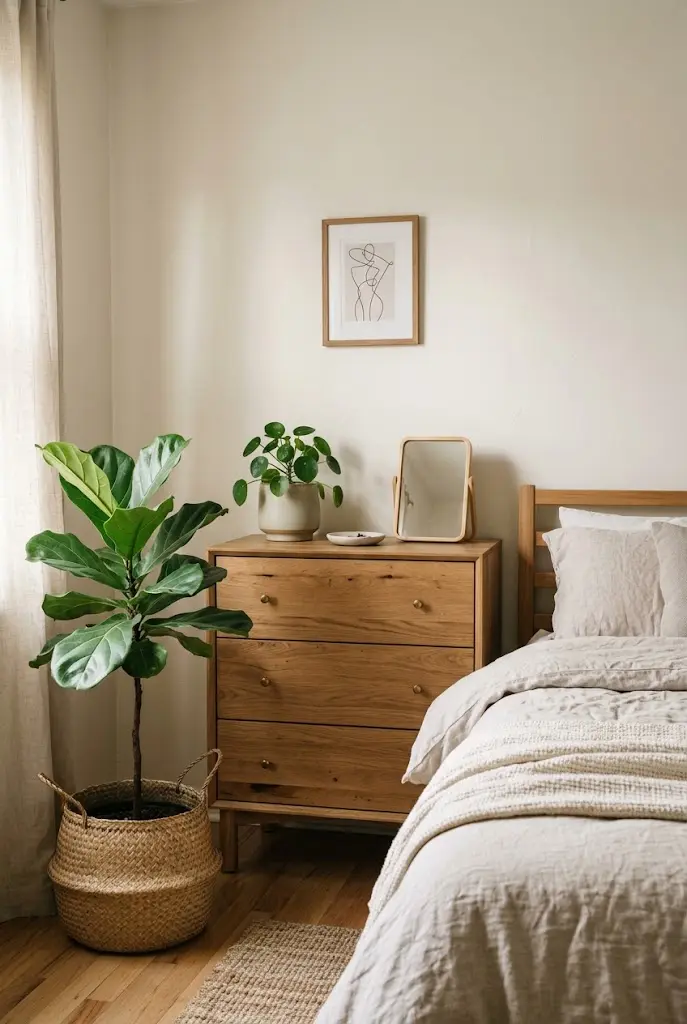
Plant corners do not have to be confined to living rooms. An underused bedroom corner beside a dresser can become a quieter, softer focal point.
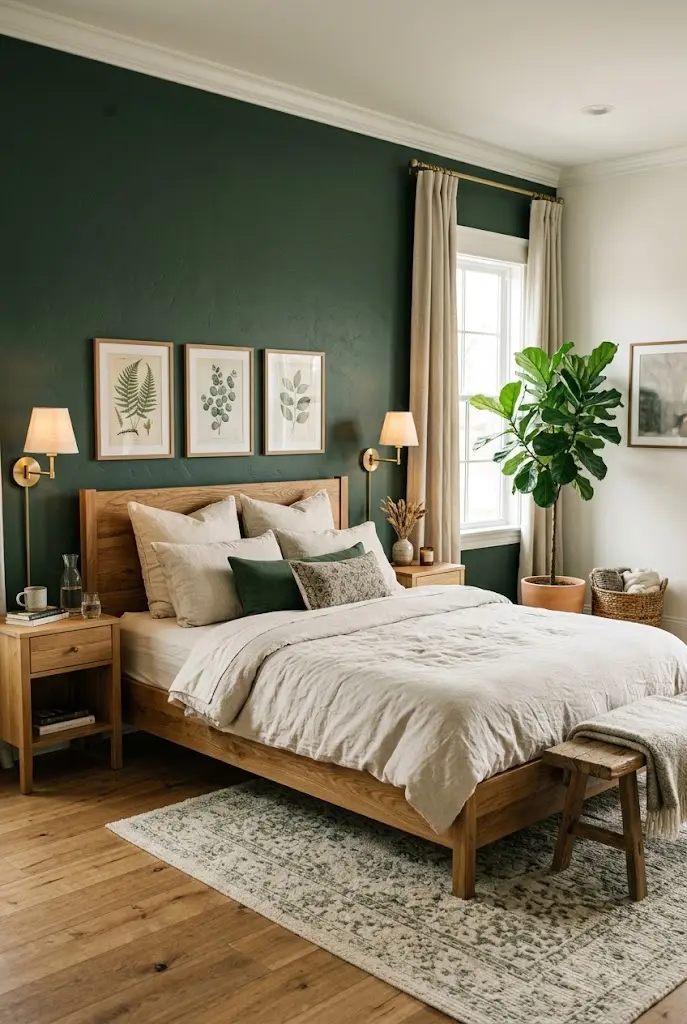
Rather than building a dense grouping, use one floor plant to introduce height and place a smaller plant on the dresser to visually connect the furniture with the corner. The arrangement works particularly well with wood, linen, woven materials, and muted wall colors.
Keep practicality in mind. Leave drawers and closet doors unobstructed, avoid positioning pots where they are easily knocked over, and use containers that protect surrounding surfaces from moisture.
The goal is a calm accent, not an indoor jungle competing with the restful character of the bedroom.
6. Combine Plants With a Small Accent Table
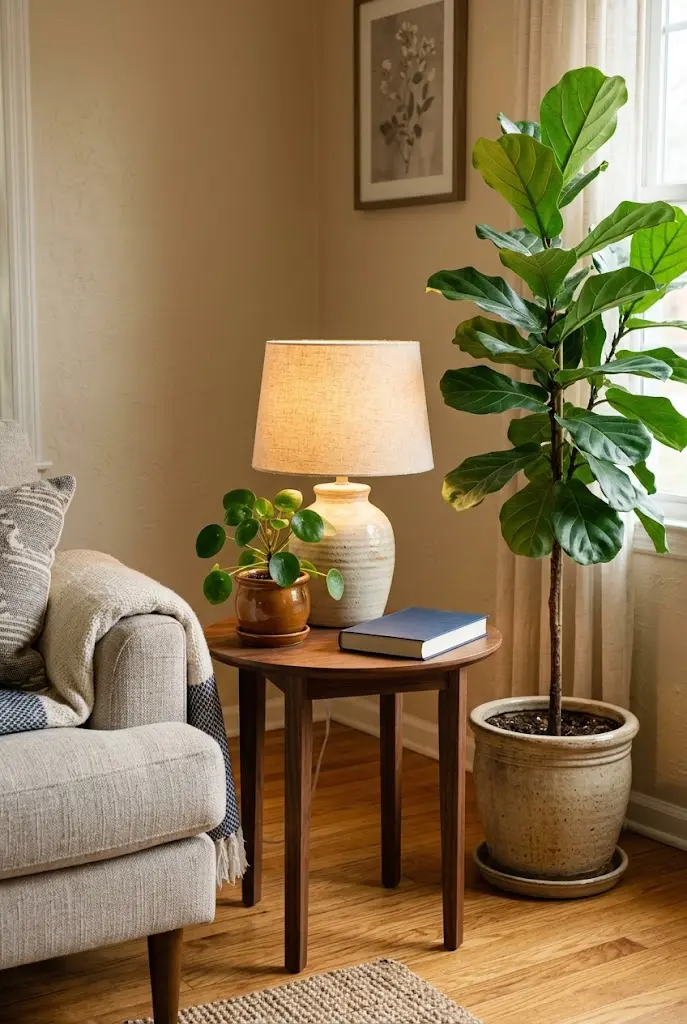
An accent table gives a plant corner a little more structure while providing room for everyday items.
Choose a table narrow enough that it does not overwhelm the corner. A round wood table can soften a room dominated by straight furniture lines, while a slim metal table can suit a more contemporary interior.
Place one small-to-medium plant on the table and a taller plant beside it. You can add a lamp if the corner is used in the evening, but keep accessories restrained so the plants remain the visual focus.
This is a useful middle ground between a single-plant arrangement and a larger collection: enough layering to feel decorated, but simple enough for an average living room.
7. Make a Sculptural Plant Corner With Premium Planters
For a more elevated interpretation, focus less on the number of plants and more on the containers, scale, and surrounding materials.
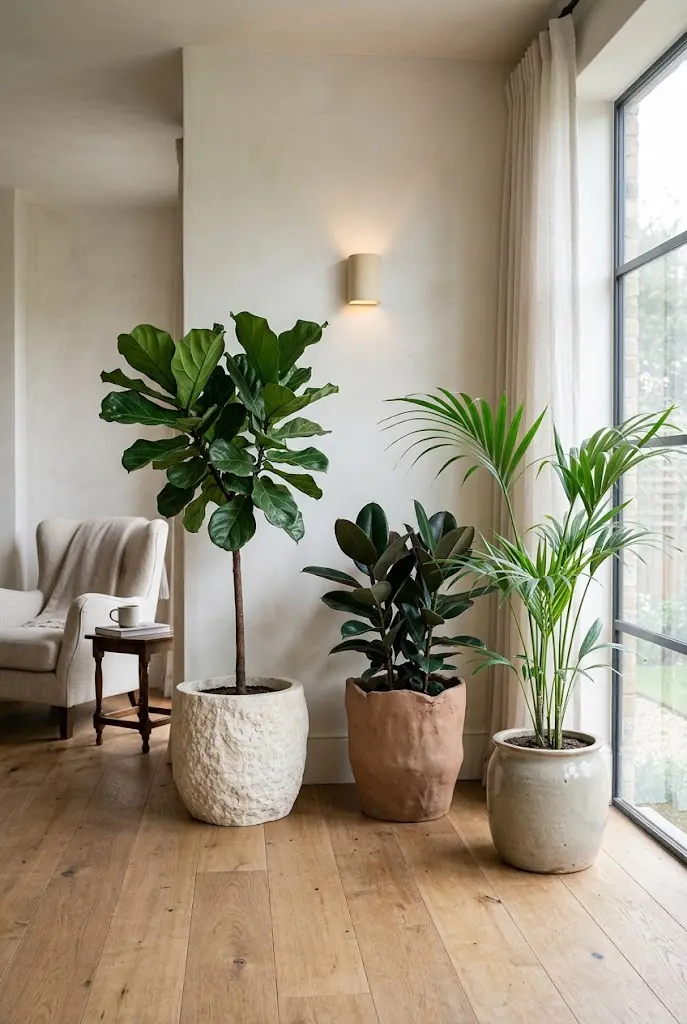
Two or three substantial planters in complementary shapes can turn greenery into part of the architecture. Rather than matching containers exactly, coordinate their finishes—for example, hand-finished ceramic, natural stone, or other refined tactile surfaces within a restrained palette.
Give each plant sufficient room. Negative space is particularly important here because it allows the shape of the foliage and containers to become part of the composition.
You do not need premium planters to borrow the idea. The transferable principle is consistent materials, varied heights, generous spacing, and restrained styling. A few simple planters in related neutral tones can achieve a similar visual rhythm at a more accessible investment level.
8. Use a Plant Stand to Fit Greenery Into a Tiny Corner
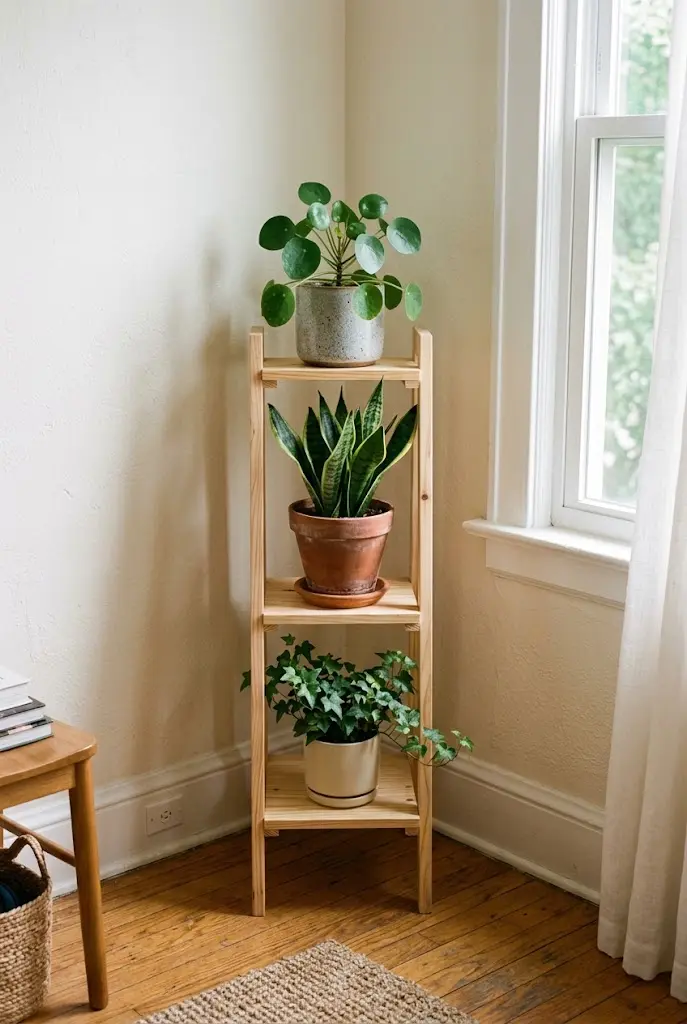
A narrow plant stand is one of the easiest ways to use a corner where there simply isn’t enough floor area for several separate planters.
Look for a design with a small footprint and enough vertical separation that leaves do not crowd one another. A simple wood or powder-coated metal stand can hold several small pots while keeping the arrangement visually organized.
This works particularly well beside a window, near a balcony door, or at the end of a short hallway—as long as the stand does not interfere with circulation.
Avoid overloading it. Three thoughtfully chosen plants usually look more deliberate than filling every possible level with pots and accessories.
9. Create a Relaxed Plant-and-Basket Corner
For a softer, casual look, combine greenery with natural woven texture.
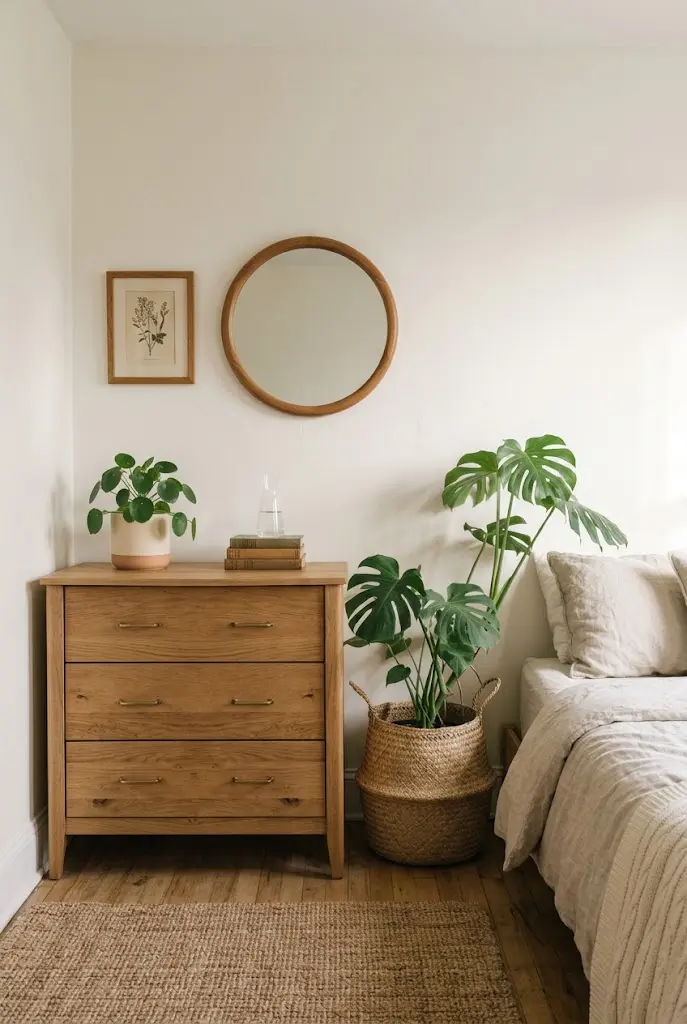
Place a medium or tall plant in a basket-style planter, then introduce a second woven basket nearby for something genuinely useful, such as folded throws. A smaller ceramic plant can provide another level without turning the setup into a large collection.
This arrangement works particularly well with warm neutrals, natural wood, linen, and relaxed interiors. It can also be easy to update because the individual elements are movable.
The key is restraint. Too many baskets, plants, blankets, and decorative objects can quickly turn an airy corner into visual clutter. Let the foliage remain the star and use the woven texture as support.
Bringing Your Plant Corner Together
A successful plant corner is less about collecting as many houseplants as possible and more about giving greenery a clear role in the room. Start by looking at the corner’s available light, floor space, nearby furniture, and traffic path. Then decide whether the space needs height, softness, color, texture, or simply something to fill an awkward visual gap.
For a small apartment, a vertical stand or single statement plant may be enough. In a larger living room, layering plants at different heights can create more presence. If you prefer an elevated look, concentrate your budget on a few well-scaled containers rather than filling the area with accessories.
Most importantly, design around plants that are suitable for the conditions you can actually provide. A visually beautiful arrangement becomes far less enjoyable when its location does not meet the plants’ basic care needs.