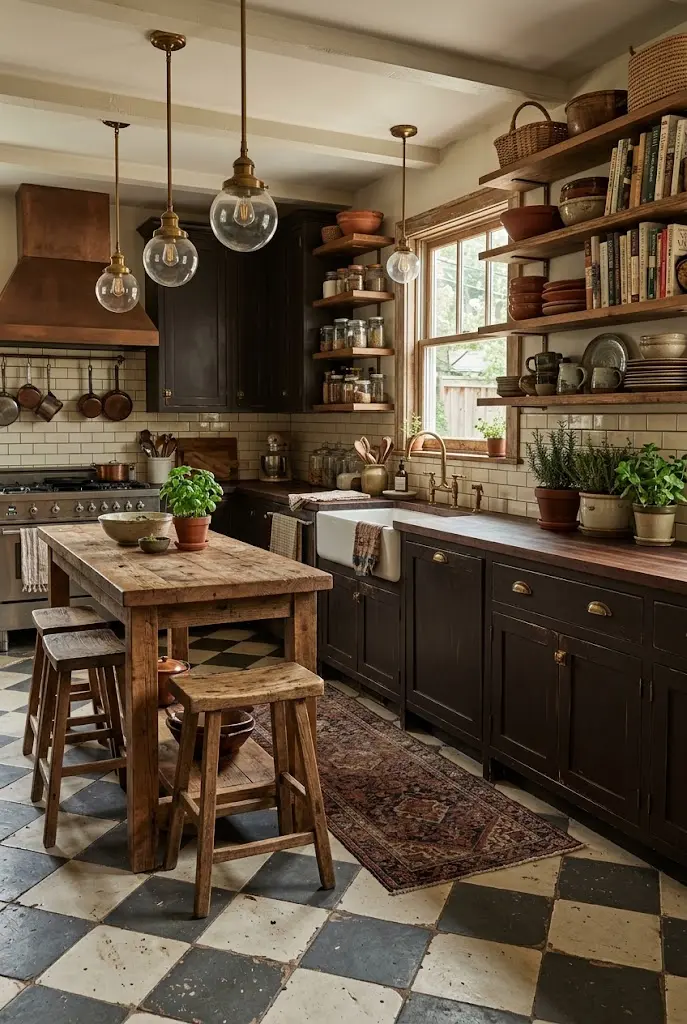
27 Plant Wall Decor Ideas for a Fresh and Natural Home
Plant wall decor is a beautiful way to bring natural greenery into your home without taking up too much floor space.
From simple hanging planters to creative living wall displays, plants can make rooms feel fresher and more inviting.
These ideas work well in living rooms, bedrooms, kitchens, entryways, and even home offices.
You can mix different plant varieties, textures, pots, and wall materials to create a personalized display.
Whether your style is modern, boho, rustic, farmhouse, or minimalist, there is a plant wall idea to suit your space.
With the right arrangement, greenery can become a striking focal point while adding warmth and character to your home.
1. Wooden Plant Wall Shelves
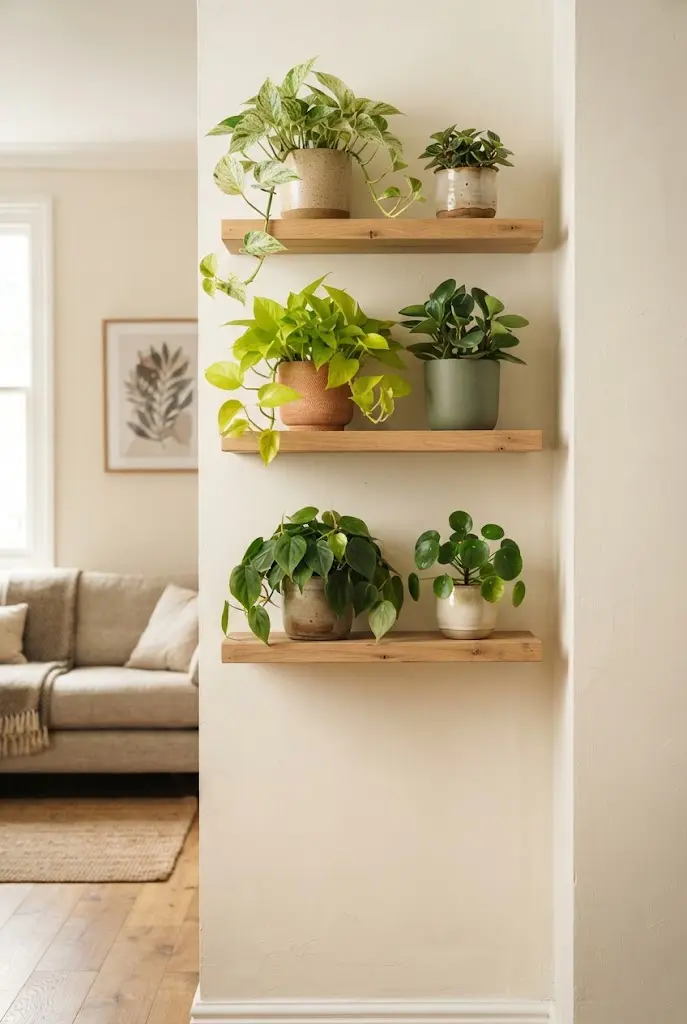
Wooden wall shelves are an easy way to create an attractive plant display without installing a complicated living wall. Choose natural oak, walnut, or reclaimed wood shelves to complement your interior style. Place small potted plants at different heights to create visual variety. Trailing plants can hang over the edges and soften the straight lines of the shelves. Mix plants with small decorative objects such as ceramic vases or framed artwork. Keep enough space between each shelf so the arrangement does not feel crowded. Plants such as pothos, spider plants, and peperomia work especially well for this setup. A warm wood finish can make the display feel especially cozy and organic. This idea works beautifully above a sofa, desk, or empty hallway wall. It is also easy to rearrange when you want to refresh your decor.
2. Hanging Plant Grid Wall
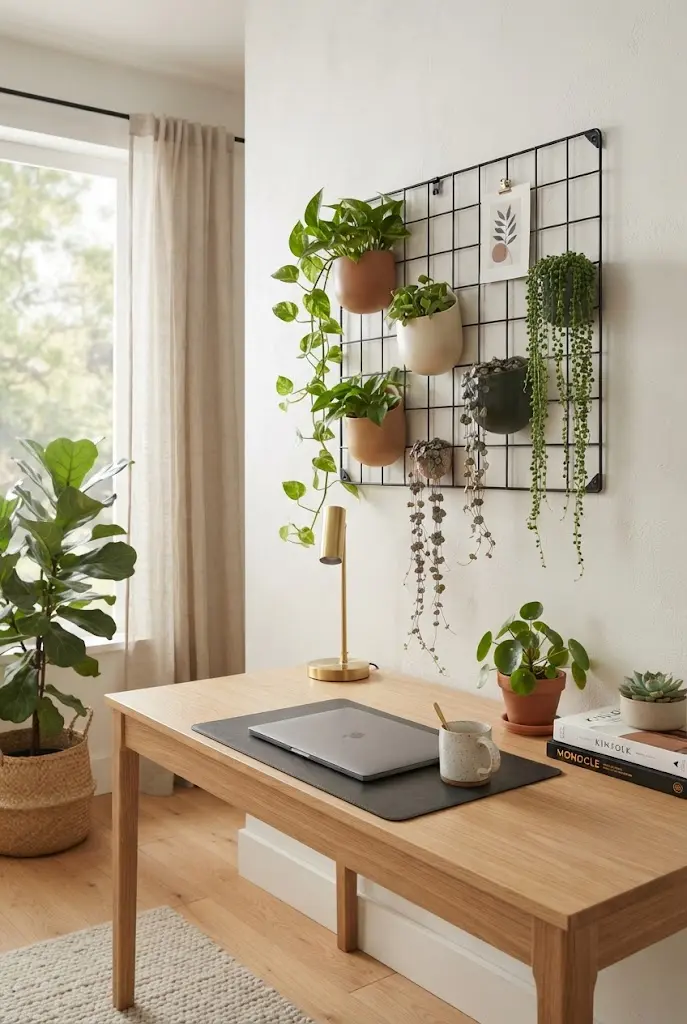
A hanging plant grid creates a structured display while still bringing plenty of greenery into the room. Use a black, brass, or natural metal grid mounted securely against the wall. Attach small planters or hanging pots to different sections of the grid. Vary the placement instead of filling every square for a more relaxed appearance. Trailing vines can add movement and soften the geometric structure. This design is especially attractive in modern apartments and minimalist interiors. Use matching pots for a clean appearance or mix finishes for a more collected look. Choose lightweight containers that are appropriate for wall mounting. The grid can also include small shelves for additional plants or decorative pieces. A plant grid looks particularly attractive in a home office or dining area. It creates a statement wall without requiring a large amount of floor space.
3. Vertical Herb Garden Wall
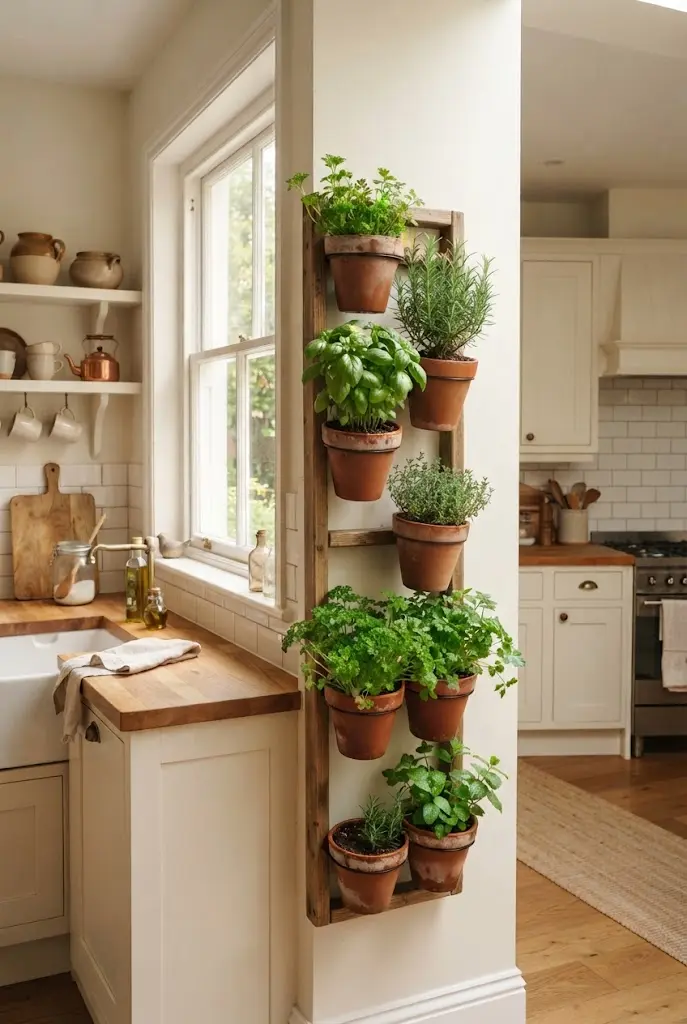
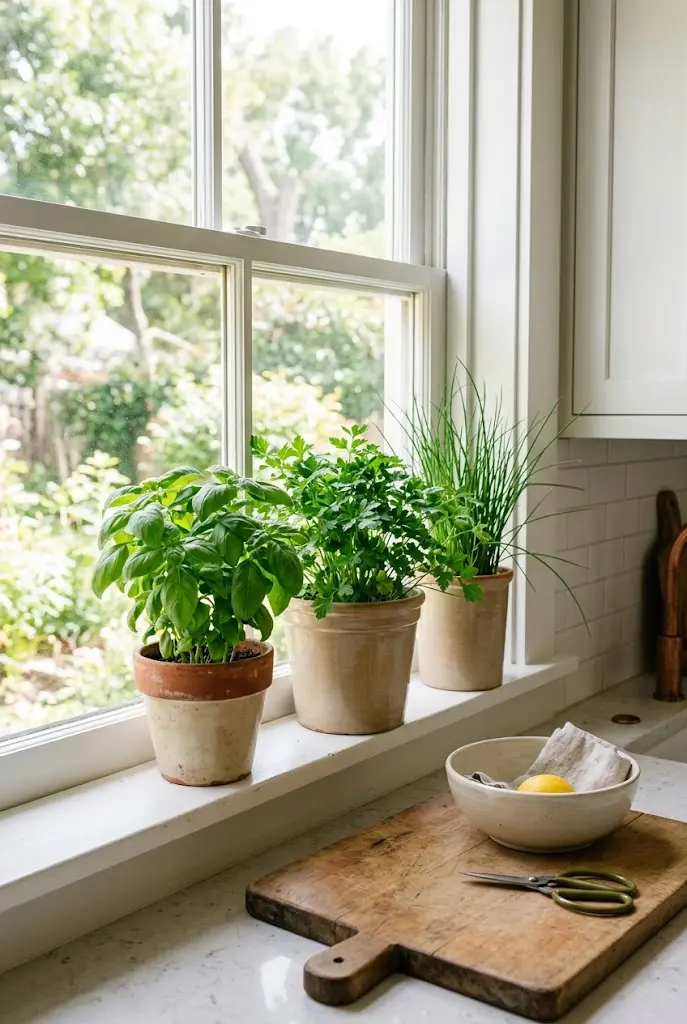
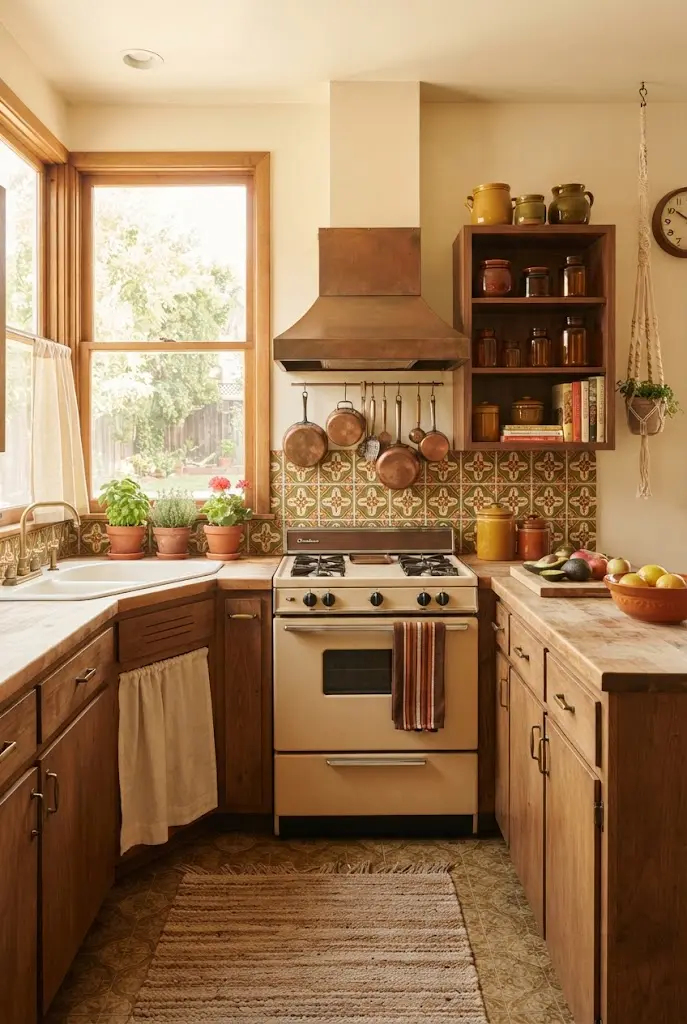
A vertical herb garden can bring both beauty and practicality to your kitchen. Mount several small planters on a wall near a bright window where the herbs can receive adequate light. Basil, parsley, thyme, rosemary, and mint can create a fragrant and useful collection. Use terracotta pots for a classic farmhouse appearance or sleek containers for a contemporary kitchen. Arrange the pots in neat rows or stagger them for a more casual display. Add small labels if desired to identify each herb. Make sure the wall surface can handle moisture from watering. A narrow vertical arrangement works well in kitchens with limited counter space. The fresh green foliage can brighten neutral cabinetry and walls. Choose containers with drainage and protect the wall from excess water. This idea combines decorative greenery with an everyday gardening function.
4. Large Statement Plant Wall
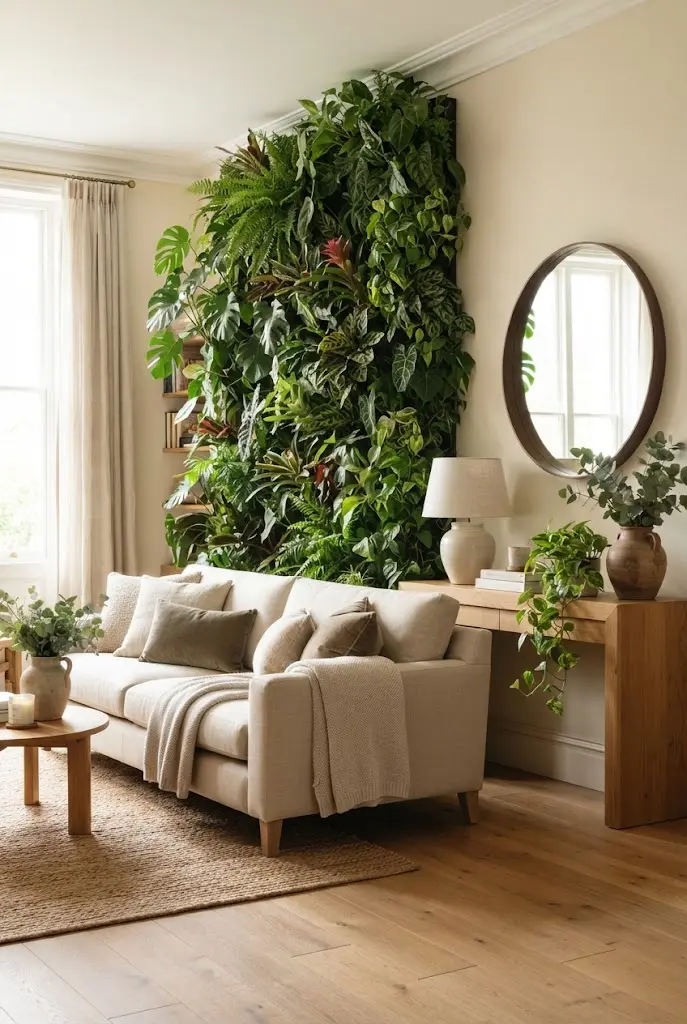
A large statement plant wall can instantly become the focal point of a room. Instead of covering every inch of the wall, create a concentrated arrangement across one prominent section. Use plants with different leaf shapes and heights to produce a layered appearance. Large-leaf varieties can serve as visual anchors while smaller plants fill the gaps. Neutral planters help keep attention on the greenery. This style works particularly well behind a sofa, console table, or reading chair. Keep the surrounding decor relatively simple so the plant display remains the star. Consider using a mixture of floor-standing and wall-mounted plants for added depth. Good lighting is important for both the appearance and health of the plants. A statement wall can make an ordinary room feel like a sophisticated indoor garden.
5. Floating Planter Wall
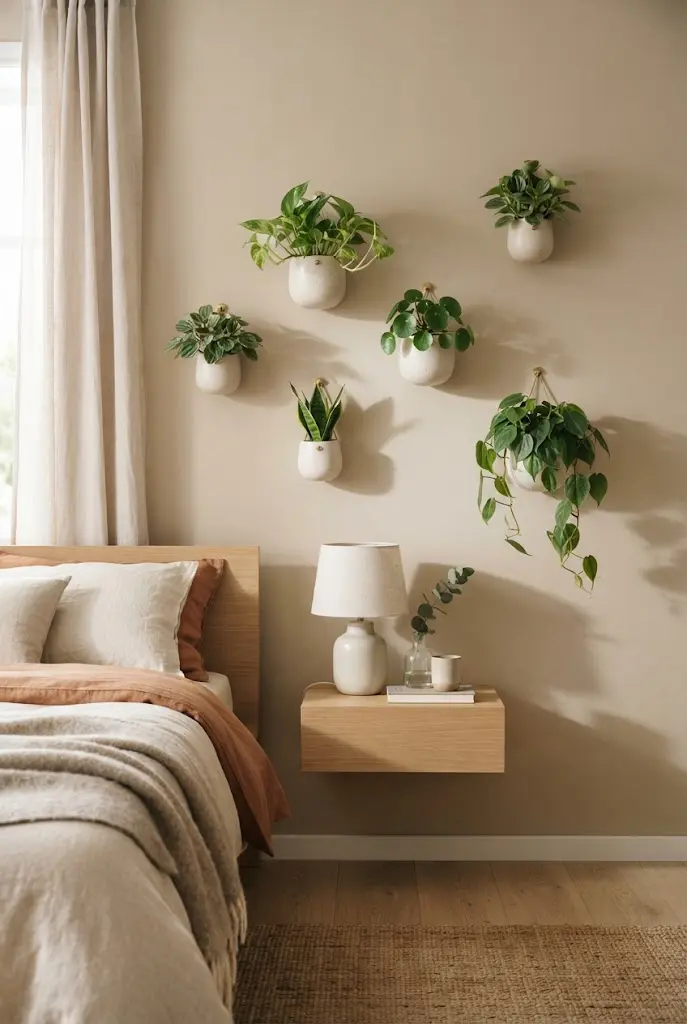
Floating planters create a clean and contemporary way to display greenery. Install several small wall-mounted planters at different heights to create a balanced composition. White ceramic planters work beautifully against darker walls, while terracotta adds warmth to neutral spaces. Choose compact plants that remain manageable as they grow. Trailing varieties can add a soft cascading effect from the upper planters. Keep enough distance between containers so each plant has room to stand out. This idea works especially well in hallways, bedrooms, and small living spaces. Use sturdy mounting hardware designed for the weight of the planter and soil. A simple arrangement can look minimalist, while a fuller arrangement creates a lush effect. Pairing the planters with natural wood furniture can enhance the organic feeling. Floating planters are also easy to update as your plant collection grows.
6. Macrame Plant Hanger Wall
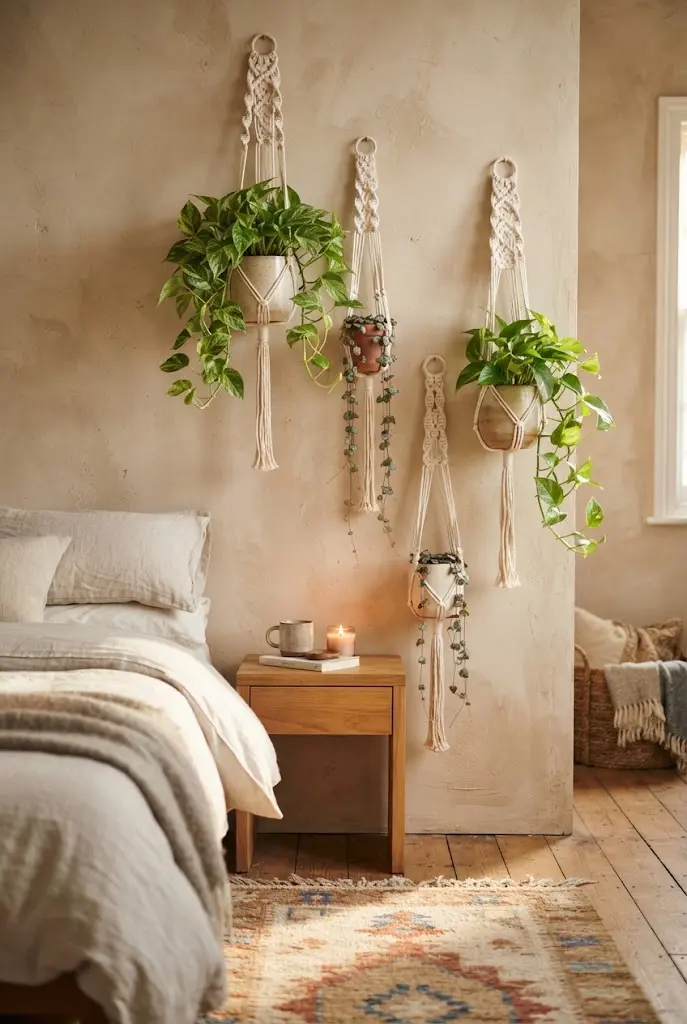
Macrame plant hangers add texture and a relaxed bohemian feeling to plant wall decor. Hang several macrame holders at staggered heights to create an organic arrangement. Use natural cotton cord in cream, beige, or warm tan shades for a soft appearance. Place lightweight pots inside the hangers and choose plants with trailing foliage. Pothos, string of hearts, and spider plants can work beautifully in hanging displays. A natural wood or plaster wall can complement the texture of the macrame. Avoid placing too many hangers close together because the cords can visually overlap. This idea works especially well in bedrooms, living rooms, and cozy reading corners. Add a woven basket or natural fiber rug nearby to reinforce the boho theme. The result can feel relaxed, handmade, and inviting. Macrame hangers are also easy to replace when you want to change your plants or colors.
7. Built-In Plant Nook
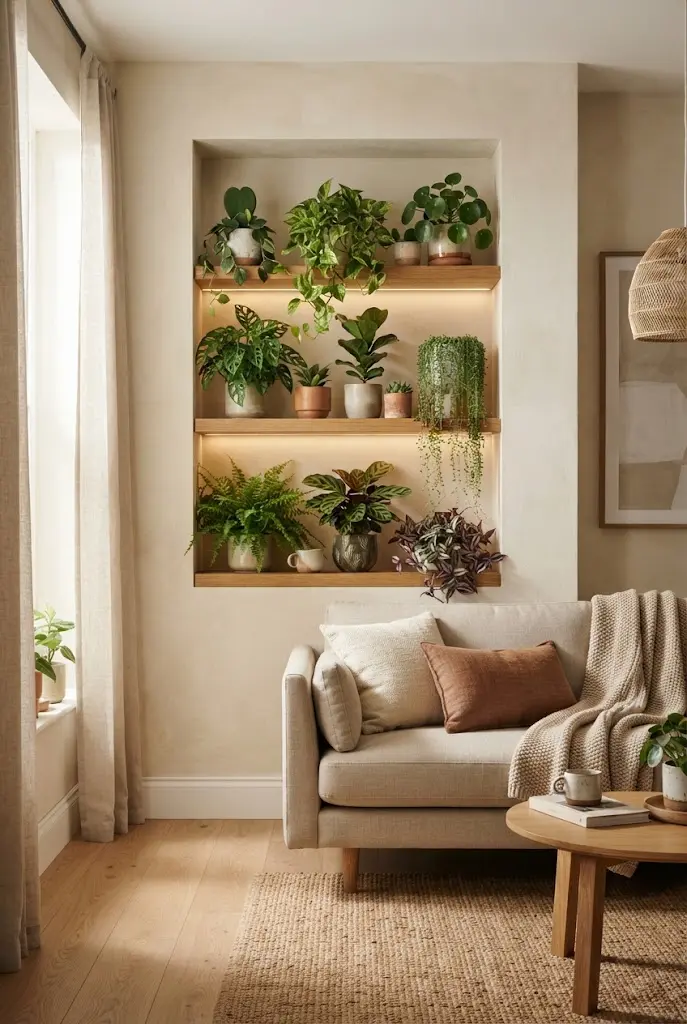
A built-in plant nook can turn an unused wall recess into a beautiful green feature. Use several shelves inside the niche to create multiple levels for plants. Small spotlights or natural window light can highlight the foliage. Combine upright plants with trailing varieties for a layered appearance. Natural wood shelving can add warmth to a white or cream-colored niche. Choose plants according to the available light and the size of the space. Keep the arrangement slightly asymmetrical so it feels natural rather than overly staged. This approach works especially well in modern homes with built-in architectural features. Add a few simple ceramic pots in neutral colors to maintain a cohesive appearance. Avoid overcrowding the shelves because plants need adequate space and airflow. A built-in plant nook can make a wall feel intentional while adding a strong natural element.
8. Plant and Art Gallery Wall
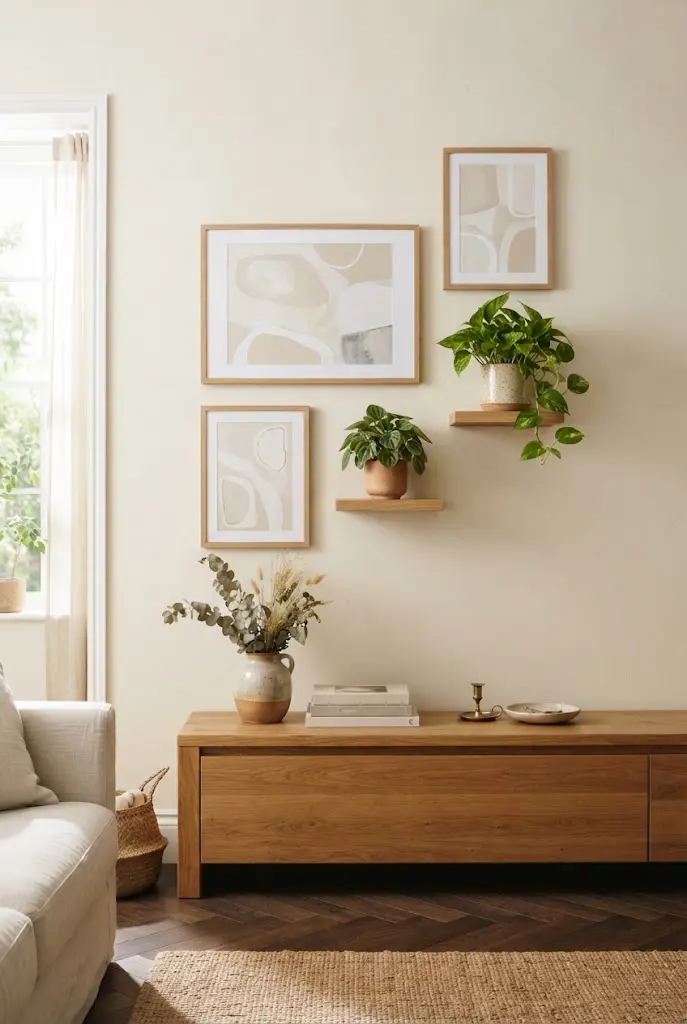
Combining plants with artwork creates a layered gallery-style wall with natural character. Start with a few framed prints in neutral colors and place plants between them. Use small wall-mounted planters or shelves to introduce different heights. Green foliage can soften the sharp edges of frames and make the arrangement feel more relaxed. Choose artwork that complements the colors of the plants and surrounding furniture. Botanical prints are an obvious choice, but abstract art can create an interesting contrast. Keep the overall palette cohesive by repeating wood, cream, black, or brass finishes. Avoid placing large plants directly in front of artwork where they obscure the design. This style works beautifully above a console table or sofa. It is especially suitable for eclectic and contemporary homes. The combination of art and greenery creates a personalized wall that feels collected over time.
9. Terracotta Pot Wall Display
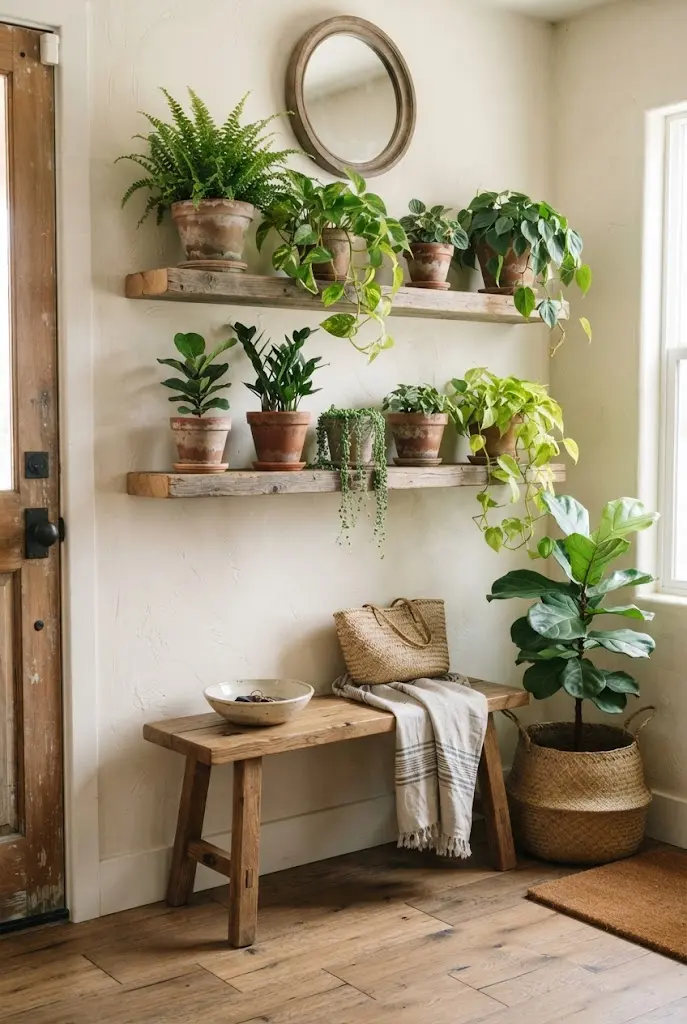
Terracotta pots bring warmth and earthy character to a plant wall. Arrange several pots on sturdy wall shelves or individual brackets. Their natural orange-brown color pairs beautifully with green foliage. Use plants with contrasting leaf shapes to make the display more interesting. Small ferns, pothos, peperomia, and herbs can work well in terracotta containers. A white, cream, or muted green wall can make the pots stand out. Keep the arrangement visually balanced rather than perfectly symmetrical. Natural wood shelves can strengthen the rustic and organic aesthetic. Place a protective surface beneath pots if watering could affect the wall. This idea works well in kitchens, sunrooms, entryways, and living spaces. The combination of terracotta and greenery creates a warm handmade appearance.
10. Living Moss Wall
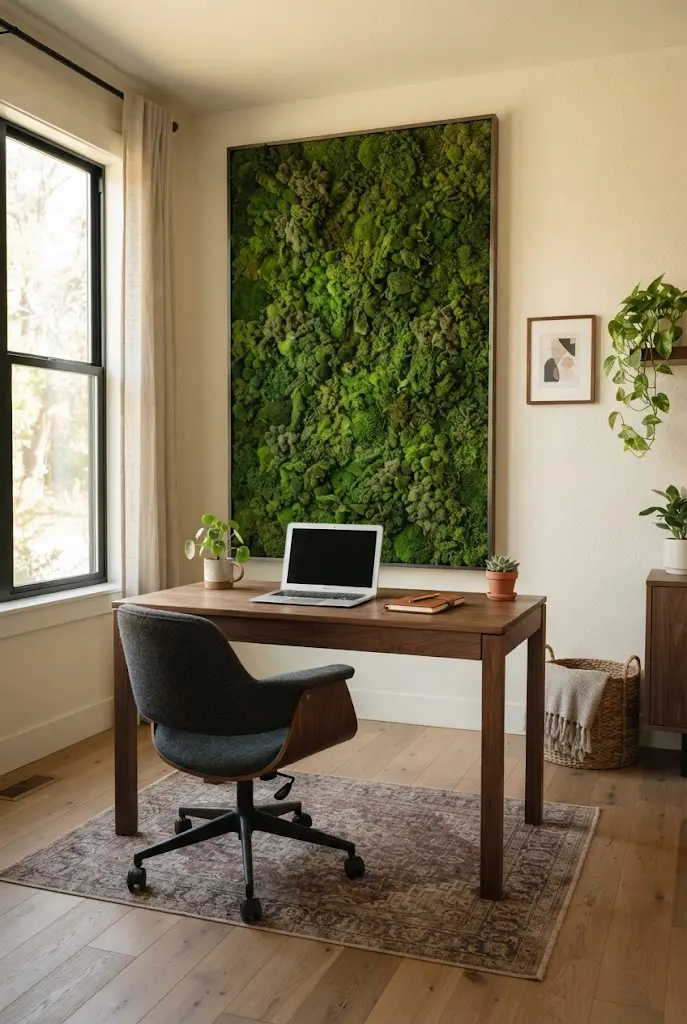
A living moss wall offers a dense green appearance and a distinctive natural texture. Moss can create a soft visual surface that feels different from traditional potted plants. Use a framed moss installation on one section of the wall for a controlled decorative feature. Choose preserved moss for areas where maintaining living plants would be difficult. Combine different moss textures to create depth and visual interest. A simple wooden frame can make the green surface feel like artwork. This style works especially well in home offices, entryways, and contemporary living rooms. Keep the surrounding decor minimal so the moss remains the focal point. Natural wood and stone accents can complement its organic appearance. Avoid placing moss installations where unsuitable moisture or direct sunlight could damage them. A moss wall can bring a calming botanical texture into modern interiors.
11. Ladder Plant Wall
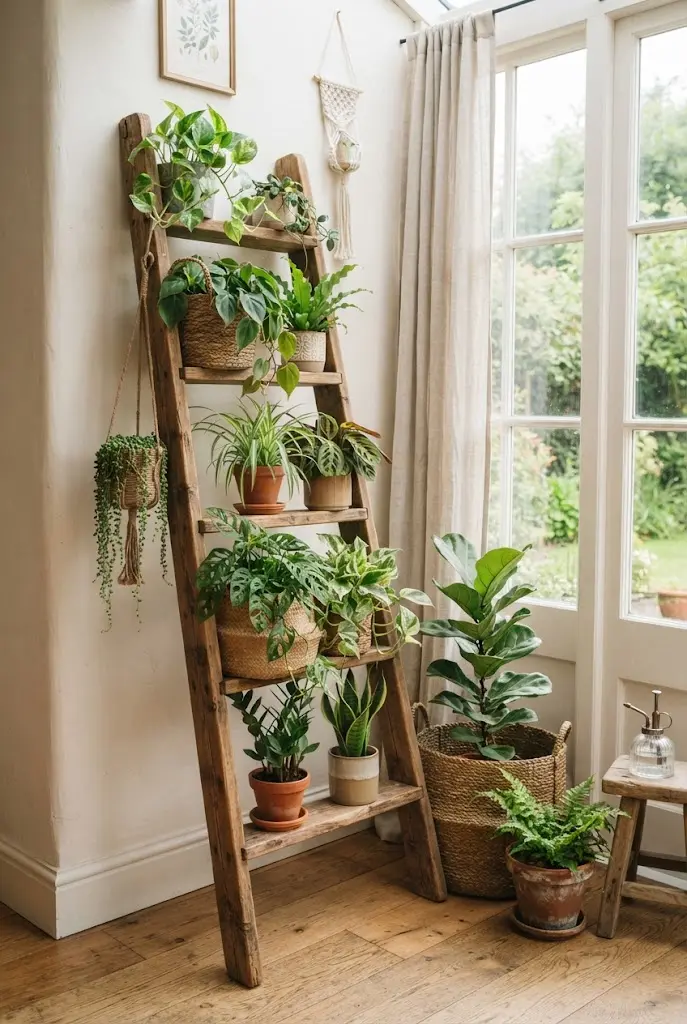
A decorative ladder can become a creative vertical display for potted plants. Lean a sturdy wooden ladder against a suitable wall and place plants on its different rungs. Use a mix of small upright plants and trailing varieties for visual movement. Natural wood creates a warm rustic or farmhouse-inspired appearance. Keep the ladder securely positioned so the pots remain stable. This idea works well in sunrooms, bedrooms, and cozy corners. Choose lightweight pots for the upper levels to make the arrangement safer and easier to maintain. You can also add small woven baskets for additional texture. Keep the wall behind the ladder relatively simple to highlight the greenery. Different leaf shapes will make each level look distinct. A ladder plant display offers vertical interest without requiring permanent wall installation.
12. Hanging Rail Plant Display
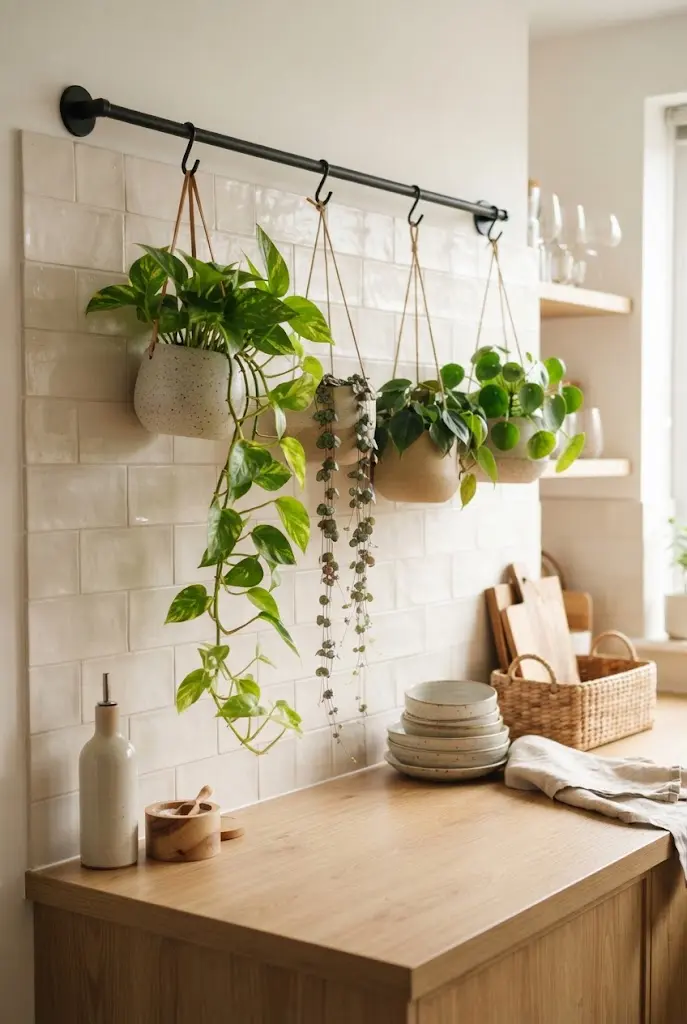
A wall-mounted rail can provide a simple framework for hanging several plants. Choose a slim brass, black, or wood rail that complements the rest of the room. Attach small hanging planters at different intervals to create an airy composition. Trailing plants can extend downward and create a soft curtain of greenery. This design works especially well above a kitchen counter, desk, or console. Keep the containers lightweight and ensure the rail is securely attached to the wall. Matching pots can create a clean modern appearance. For a more relaxed style, combine several neutral pot shapes and sizes. The rail itself can become a subtle architectural detail. Make sure plants are positioned where they can receive appropriate light. This idea offers a practical way to introduce greenery without covering the entire wall.
13. Plant Wall With Natural Wood Slats
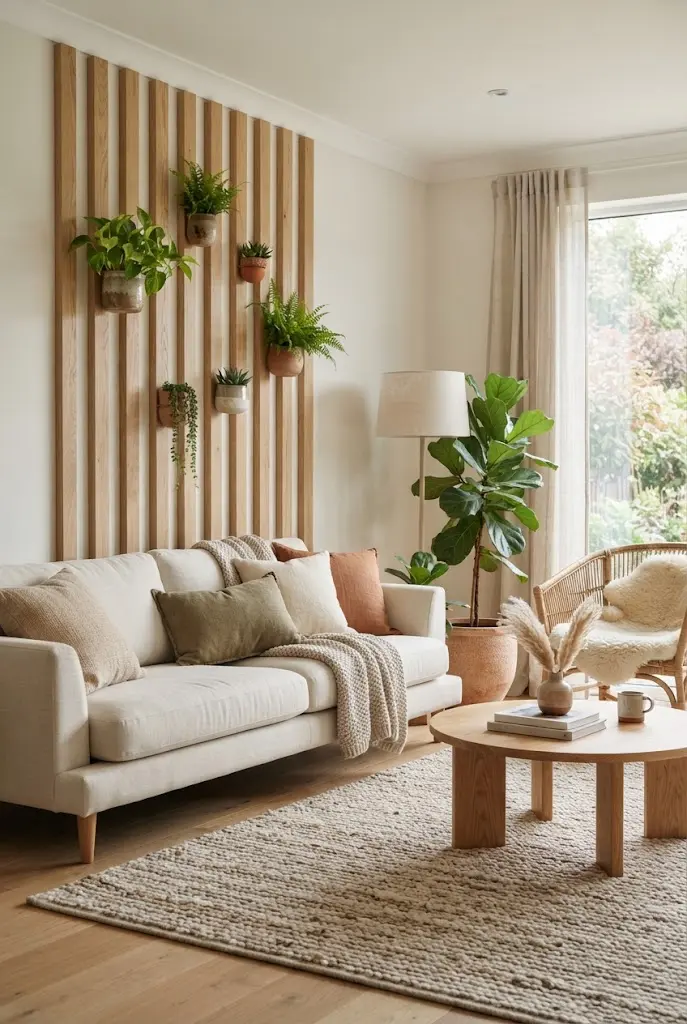
Combining plants with wood slats creates a warm architectural feature. Install vertical natural wood slats across part of a wall and position plants between selected sections. The wood adds texture while the foliage introduces softness and movement. Use small mounted planters that do not overwhelm the slatted surface. Green plants look especially attractive against light oak or walnut tones. This design can work as an accent wall behind a sofa, desk, or dining table. Keep the rest of the room relatively simple to avoid competing with the feature. Use plants with different growth patterns for a more natural appearance. Warm lighting can emphasize the wood grain in the evening. Make sure the mounting system is strong enough to support the chosen planters. The finished design can combine modern architecture with organic decoration.
14. Corner Plant Wall
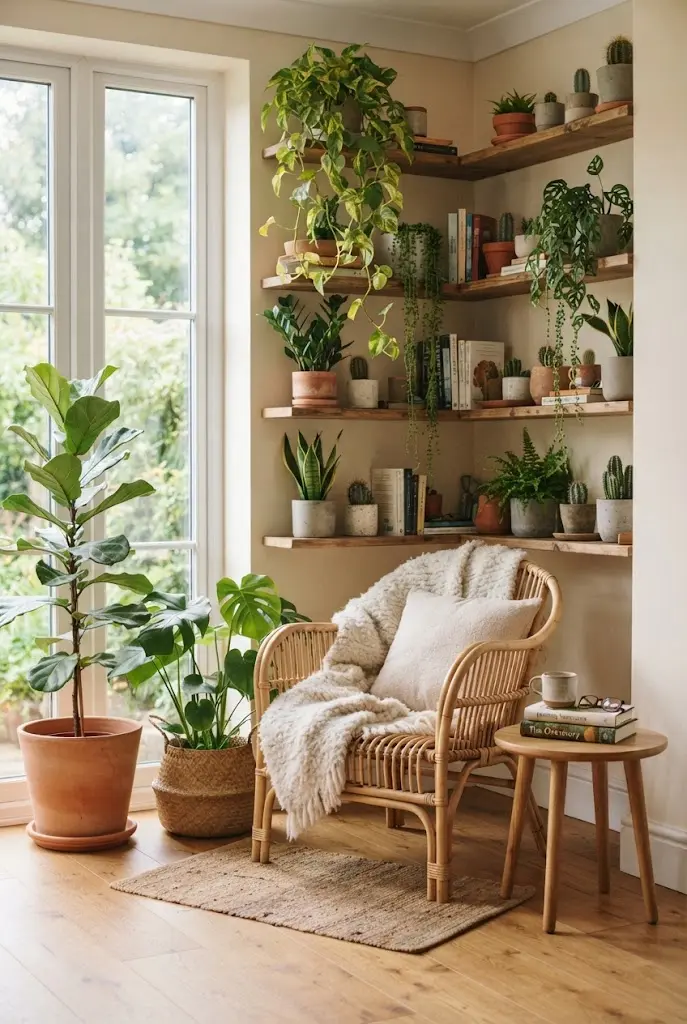
An unused corner can become a lush vertical plant display with the right arrangement. Use narrow shelves, plant stands, and hanging planters to fill the vertical space. Place taller plants near the bottom and smaller trailing plants higher up. This creates a natural layered effect without making the room feel crowded. Choose plants with similar light requirements so they can thrive together. Natural wood, rattan, and ceramic materials can reinforce the organic look. A corner plant wall works particularly well beside a reading chair or near a bright window. Keep enough space around each plant for easy watering and maintenance. Use a neutral wall color to make the foliage stand out. Avoid blocking pathways with oversized pots or stands. A well-planned corner display can transform an overlooked part of the room into a cozy botanical feature.
15. Minimalist Single Plant Wall
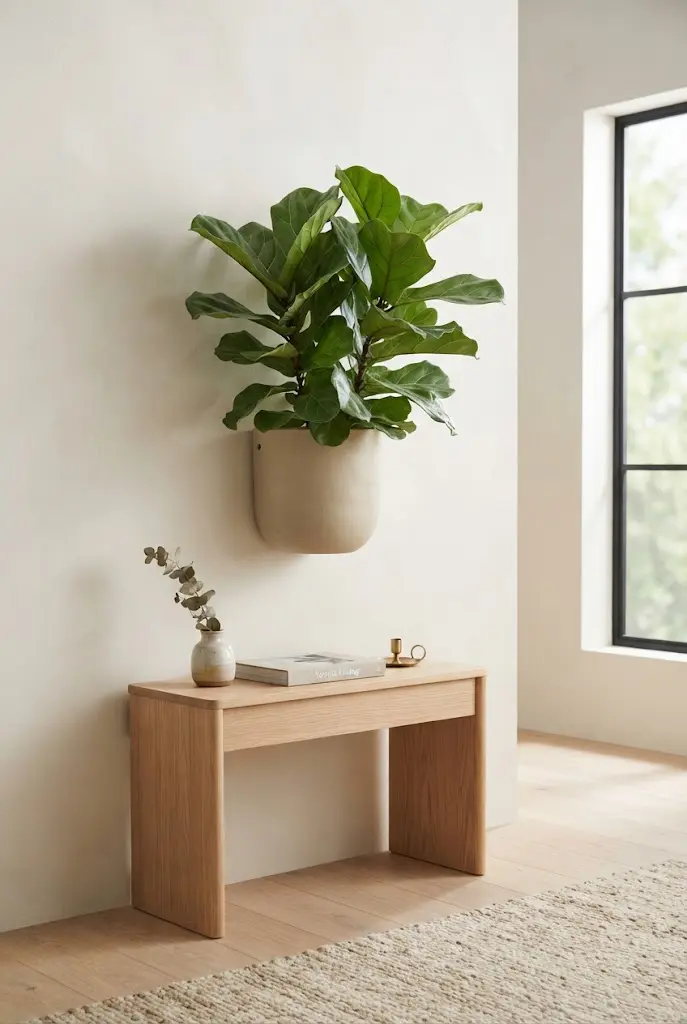
Sometimes one carefully chosen plant can make a stronger statement than a crowded arrangement. Select a beautiful plant with distinctive foliage and place it in a simple wall-mounted planter. Large leaves can create an elegant focal point against a neutral wall. Use a minimalist ceramic container in white, beige, or stone tones. Keep nearby decorations limited so the plant remains the main feature. This approach works well in contemporary and Scandinavian-inspired interiors. A single plant can also be placed above a small console or next to a piece of artwork. Choose a location with suitable natural light for the plant. The simplicity makes this idea easy to maintain and visually calming. It is ideal for homeowners who prefer uncluttered decor. The result can feel sophisticated, fresh, and intentional.
16. Plant Wall With Rattan Baskets
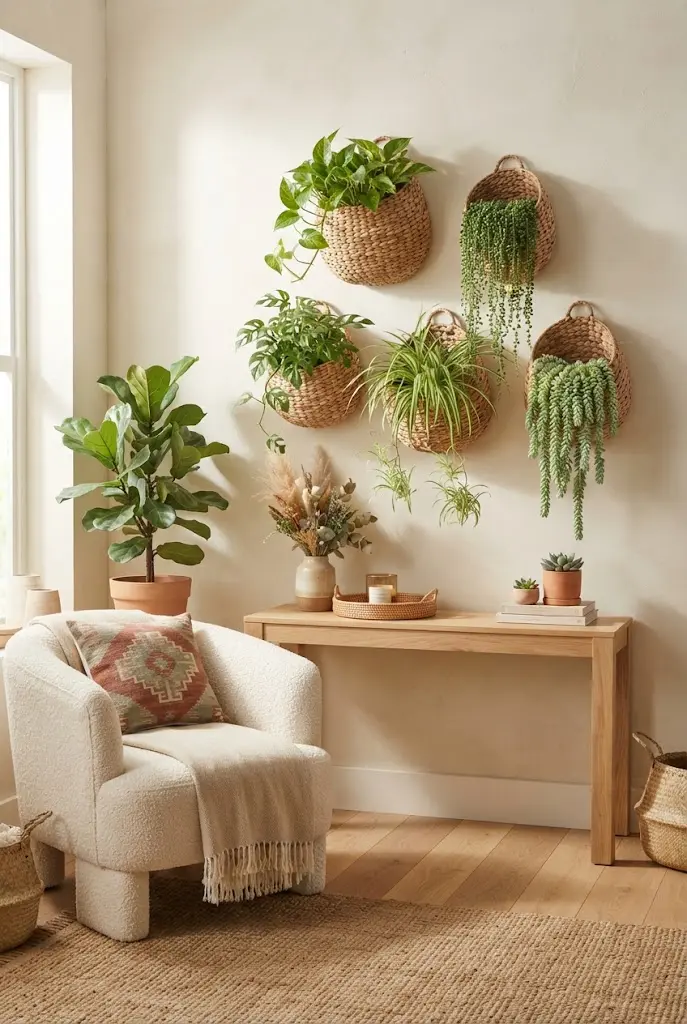
Rattan baskets can add natural texture while providing an attractive home for wall-mounted plants. Choose shallow baskets designed for secure mounting and use them as decorative containers. Place several baskets in a staggered arrangement for a relaxed organic appearance. Plants with trailing foliage can spill naturally over the edges. The warm woven texture pairs beautifully with green leaves and neutral walls. This style is especially suitable for boho, coastal, and natural interiors. Use different basket shapes while keeping the color palette consistent. Make sure each basket and mounting system can safely support the plant. A few baskets can be combined with wood shelves for added dimension. Keep the arrangement open enough for each plant to receive adequate light. Rattan plant baskets can make a plain wall feel warm and handcrafted.
17. Plant Wall Above a Console Table
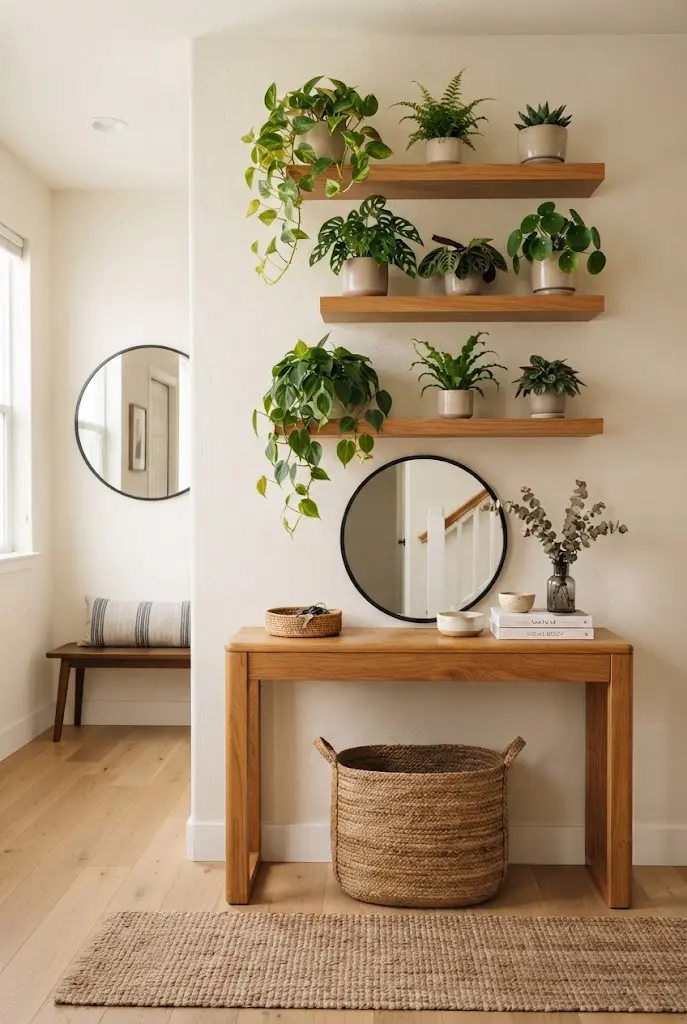
The wall above a console table is an ideal location for a compact botanical display. Install floating shelves above the console and arrange several small plants across them. Use a combination of upright and trailing varieties for visual balance. Keep the console surface relatively simple so the wall display remains the focus. Natural wood, ceramic, and woven accessories can complement the plants. A large mirror can also be incorporated into the arrangement if there is enough space. Choose plants according to the natural light available in the entryway or living room. Keep the shelves at comfortable heights for watering and maintenance. Repeating similar pots can make the display feel cohesive. This setup can turn a basic console wall into an inviting focal point. It works especially well in entryways where greenery creates a welcoming first impression.
18. Geometric Plant Wall
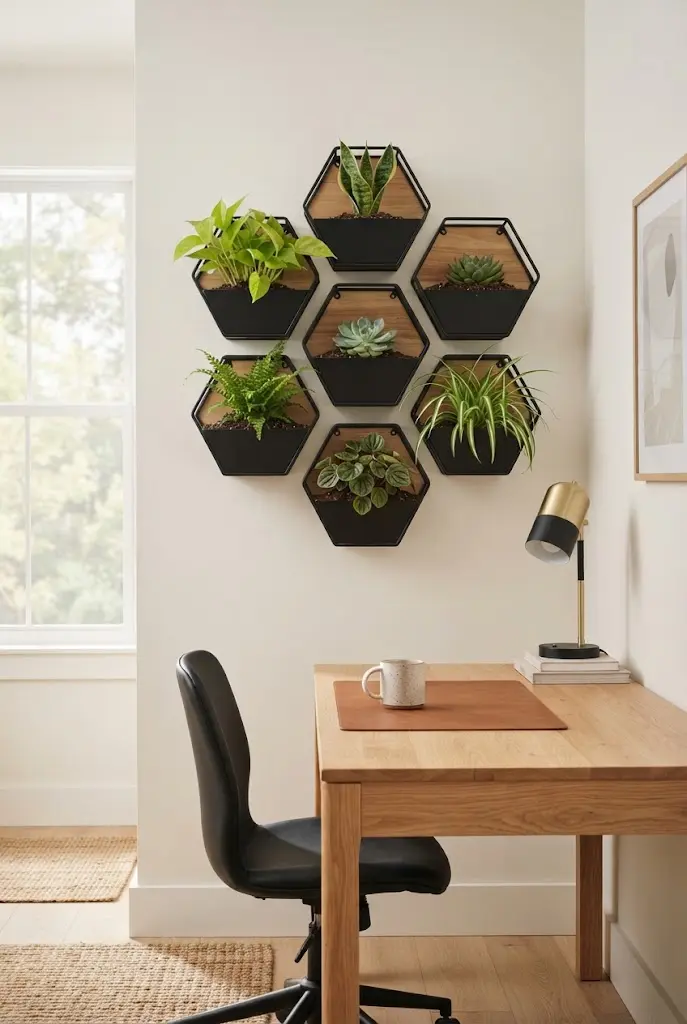
Geometric planters can give a plant wall a modern artistic appearance. Choose hexagonal, triangular, or rectangular wall planters in coordinated materials. Arrange them in an intentional pattern while leaving enough space between individual containers. Fill each planter with a small plant that complements the overall composition. Greenery softens the strong geometric shapes and prevents the wall from feeling too rigid. Matte black, white, brass, or natural wood planters can suit different interior styles. This idea is especially attractive in modern home offices and apartments. Avoid placing too many planters together because the design can quickly become visually busy. Use plants with varied textures to create subtle contrast. Keep the wall color simple so the geometric arrangement stands out. A geometric plant wall can function almost like living artwork.
19. Plant Wall in the Bedroom
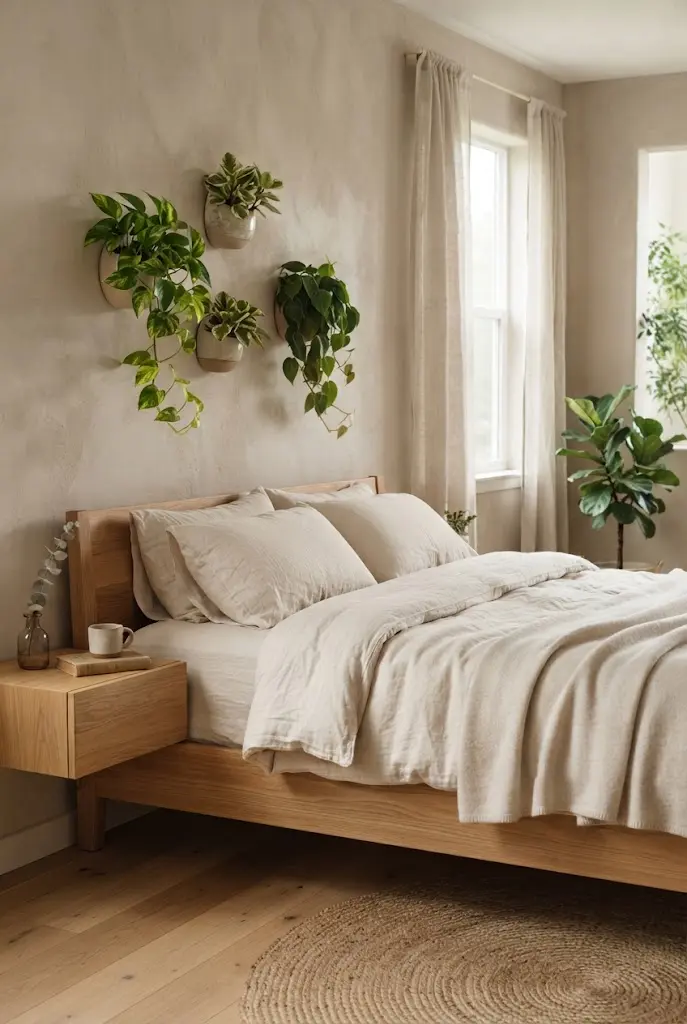
Plants can make a bedroom feel calm, fresh, and connected to nature. Create a simple display above or beside the bed using small shelves or wall-mounted planters. Choose low-maintenance plants with soft foliage that complement the relaxing atmosphere. Pothos, snake plants, and peperomia can work well depending on the available conditions. Use natural wood and neutral ceramic containers for a soothing appearance. Avoid overcrowding the wall because bedrooms benefit from a calm visual environment. Keep plants positioned securely so they cannot easily fall near the bed. Soft morning light can make the foliage look especially beautiful. Pair the display with linen bedding and natural textures for a cohesive look. This idea works well with modern, boho, and organic bedroom styles. A modest amount of greenery can add personality without overwhelming the room.
20. Plant Wall in the Home Office
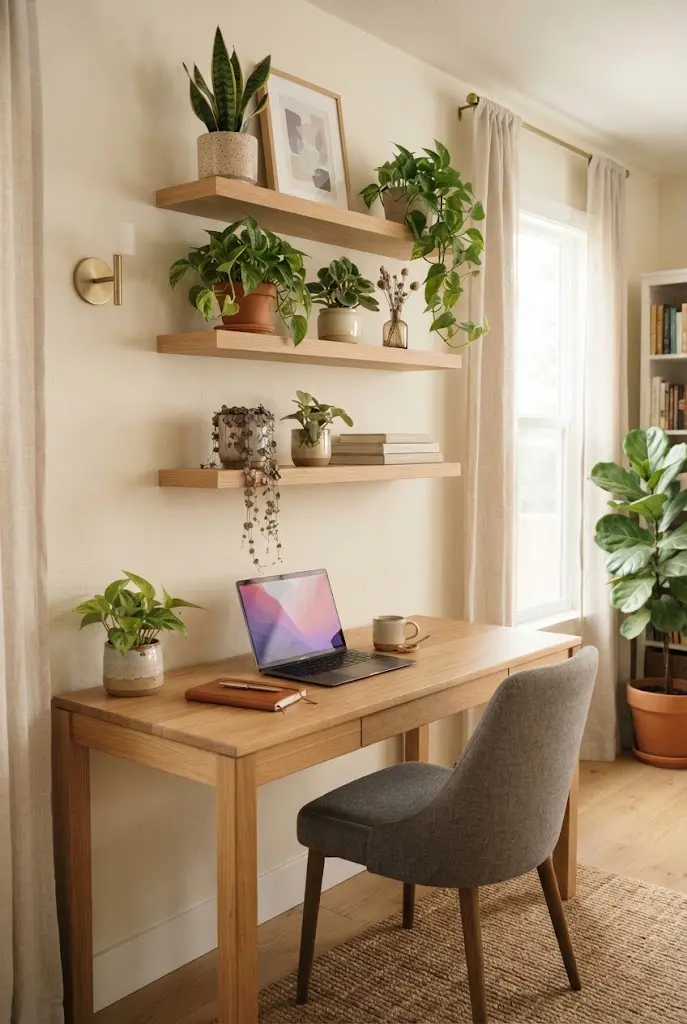
A plant wall can make a home office feel more lively and visually comfortable. Install a few shelves above the desk and fill them with manageable houseplants. Mix compact plants with one or two trailing varieties to add movement. Greenery can provide a refreshing contrast against neutral office furniture and walls. Use simple ceramic pots that match the desk and shelving finishes. Keep the workspace organized so the plants enhance rather than clutter the room. Choose plants appropriate for the office’s natural light conditions. A small plant wall can also be positioned beside the desk instead of directly above it. Add a natural wood accessory or woven basket to reinforce the organic theme. Keep the arrangement easy to access for watering and maintenance. The result can create a welcoming workspace with a strong connection to nature.
21. Plant Wall With Woven Wall Art
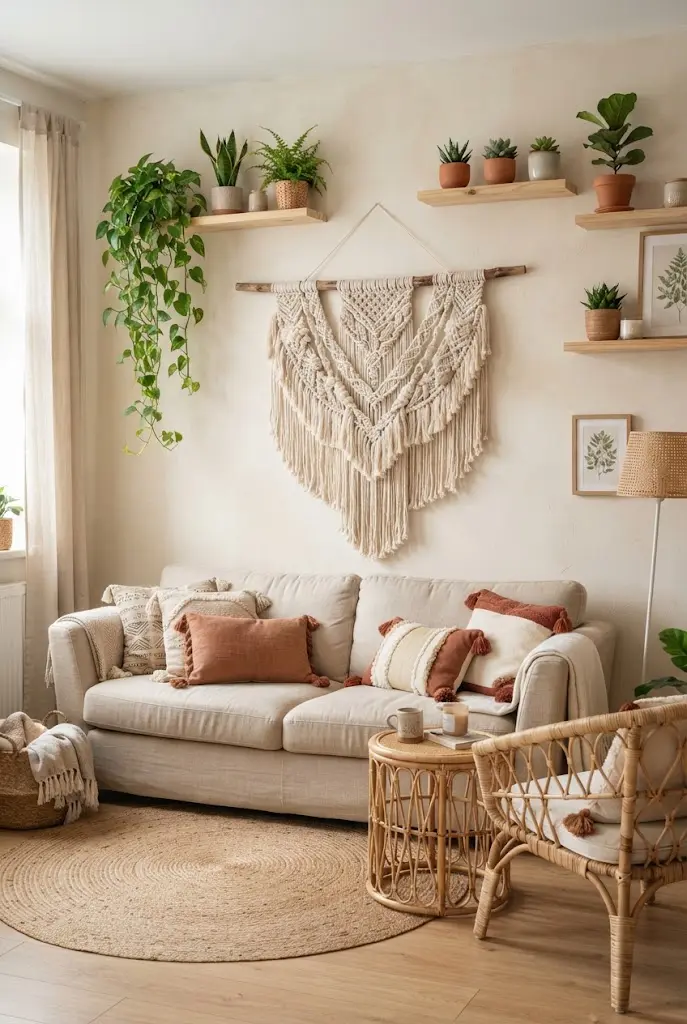
Woven wall art and plants can create a warm layered display with natural texture. Start with a large woven piece as the central element and add plants around it. Use small shelves or hanging planters to introduce greenery without covering the artwork. Neutral fibers, wood, and green foliage work beautifully together. This combination is particularly suitable for boho and organic interiors. Choose plants with trailing leaves to soften the edges of the woven art. Keep the arrangement asymmetrical for a relaxed handmade appearance. Natural daylight can highlight the textures of both the plants and woven fibers. Use complementary neutral tones throughout the room for a cohesive look. Avoid placing plants so close that they hide most of the artwork. The finished wall can feel warm, artistic, and connected to nature.
22. Plant Wall With Black Planters
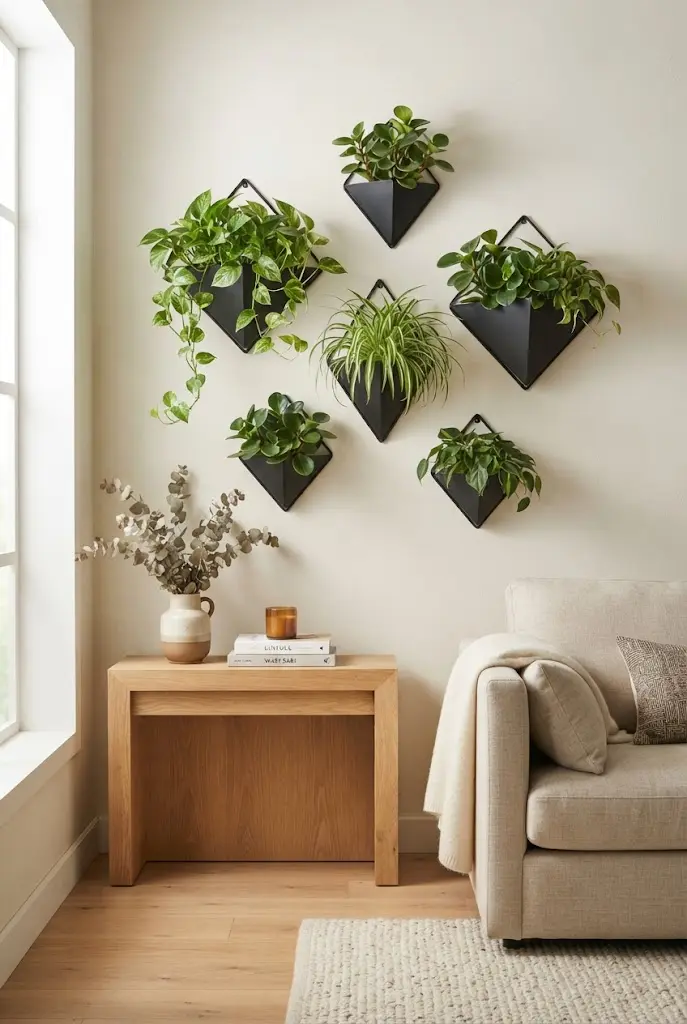
Black planters can create a dramatic contrast against lush green foliage and light-colored walls. Use matching matte black containers for a clean and modern appearance. Arrange them vertically or in an asymmetrical pattern to add visual interest. Plants with bright green leaves stand out beautifully against the dark containers. This approach works particularly well in contemporary living rooms and home offices. Keep the surrounding furniture relatively simple so the contrast remains intentional. Natural wood accents can soften the darker planters. Choose sturdy wall mounts that can safely support each container. Allow enough space between planters for healthy plant growth and easy maintenance. This idea can make even a small plant collection look sophisticated. The combination of black, green, and warm neutrals creates a polished modern-natural aesthetic.
23. Plant Wall Around a Window
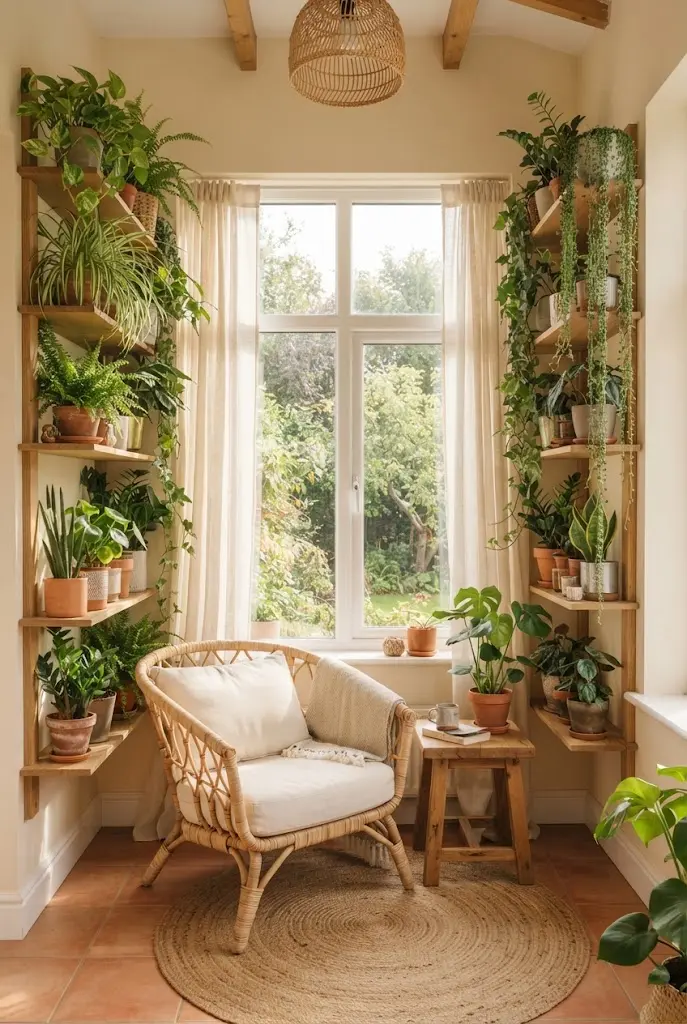
The wall surrounding a sunny window can become a natural frame for greenery. Place narrow shelves on either side of the window and fill them with plants of different heights. Use trailing varieties near the upper levels so the foliage gently frames the glass. Keep the window itself unobstructed to allow natural light into the room. Choose plants that benefit from the brightness available in the area. Light wood shelves can make the arrangement feel warm and organic. This idea can work beautifully in kitchens, living rooms, and sunrooms. Keep enough room around the window for curtains or blinds to operate normally. Avoid placing plants where they block handles or ventilation. The result can make a window feel like a natural focal point. It is a simple way to combine architecture and greenery.
24. Mini Plant Wall for a Small Apartment
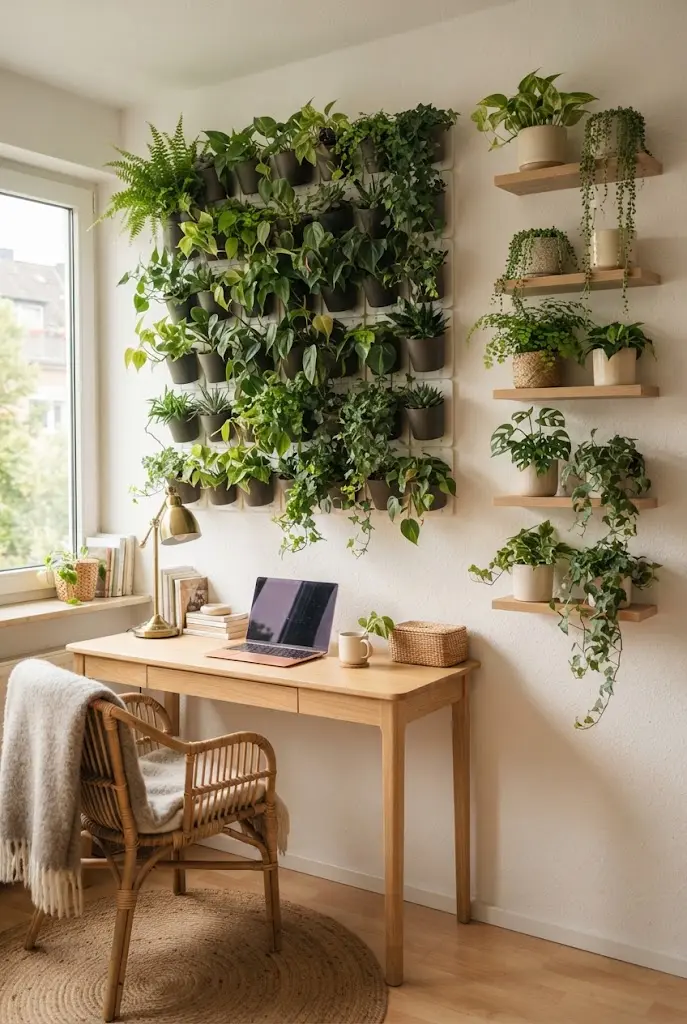
A small apartment does not need a large wall to enjoy a beautiful plant display. Use a narrow vertical section of wall and install several compact shelves. Choose smaller plants that fit comfortably without making the area feel crowded. Trailing varieties can create the illusion of a fuller display without taking up additional floor space. Light-colored pots can keep the arrangement visually airy. This approach works especially well above a small desk, beside a sofa, or in a narrow hallway. Use wall-mounted solutions to preserve valuable floor space. Select plants based on the natural light available in the apartment. Keep the surrounding decor simple to make the small display feel intentional. Rotate or rearrange plants occasionally to keep the composition fresh. A compact plant wall can make a small home feel noticeably more lively.
25. Rustic Farmhouse Plant Wall
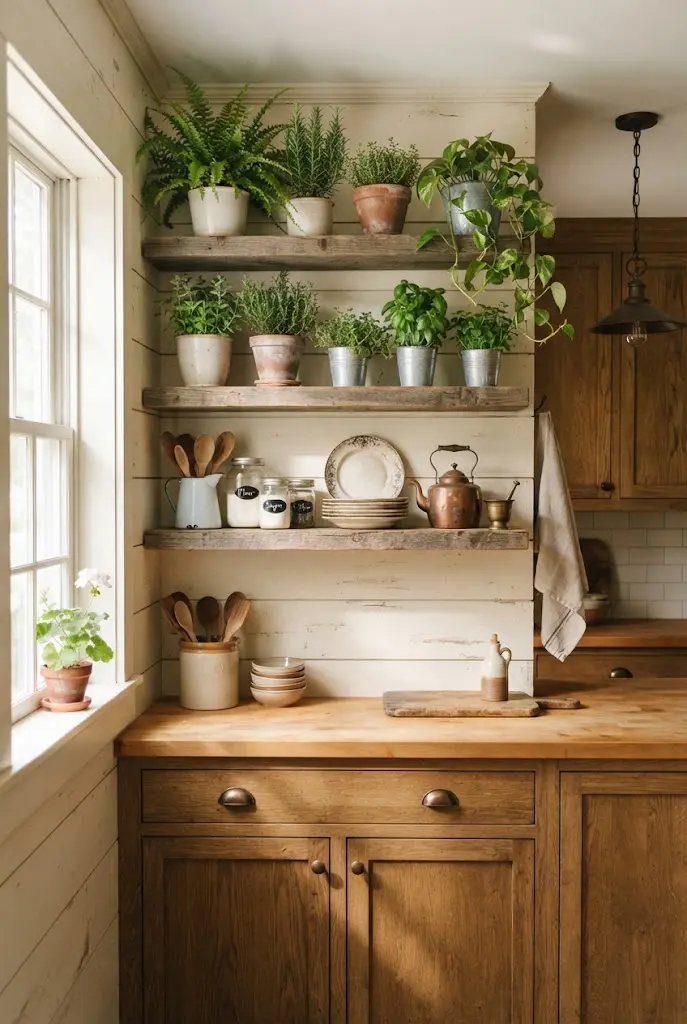
A rustic farmhouse plant wall can combine greenery with warm, weathered materials. Use reclaimed wood shelves, vintage-inspired brackets, and simple ceramic or galvanized containers. Arrange plants at different heights for a casual country-inspired appearance. Herbs, ferns, pothos, and other leafy plants can work well in this setting. Keep the color palette focused on natural greens, warm wood, cream, and muted metal. Add a small woven basket or vintage-style accessory if there is enough space. Avoid making the display overly symmetrical because farmhouse decor often benefits from a collected feeling. Make sure older-looking shelves are still structurally strong enough for plants. Position the display near natural light whenever possible. This idea works beautifully in kitchens, mudrooms, and living spaces. The combination of greenery and rustic materials creates a welcoming atmosphere.
26. Cascading Plant Wall
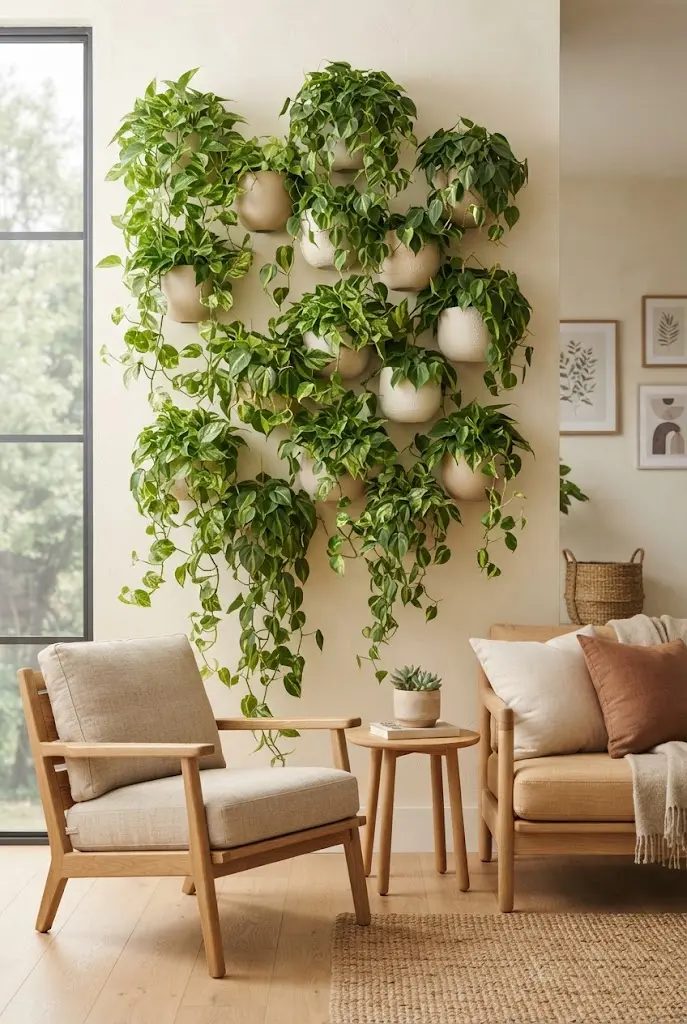
A cascading plant wall focuses on plants with long trailing stems that create a waterfall-like effect. Mount several planters vertically and choose varieties that naturally spill downward. Pothos, heartleaf philodendron, and spider plants can create beautiful layers when given suitable growing conditions. Place shorter plants near the top and allow the longest vines to extend lower down. Use simple neutral pots so the foliage remains the main attraction. This idea works especially well on tall walls where the vertical height can be emphasized. Keep enough space between containers to prevent vines from becoming tangled. Regular trimming can help maintain the desired shape. Provide appropriate light so the plants remain healthy and full. A cascading arrangement can create a dramatic focal point without requiring a traditional living wall system. It brings movement and softness to otherwise plain architecture.
27. Mixed Plant Wall Display
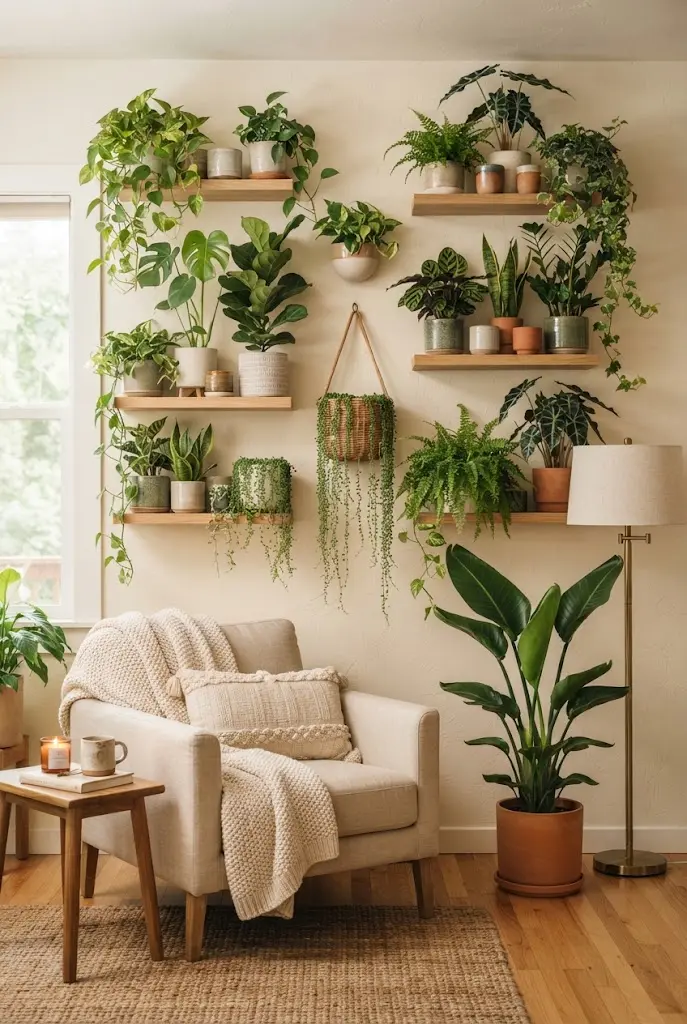
A mixed plant wall combines several of these ideas into one personalized arrangement. Use shelves, hanging planters, wall-mounted pots, and different plant heights to create a layered display. Mix leaf shapes and textures so the wall feels abundant without becoming chaotic. Natural wood, ceramic, rattan, and metal can all be incorporated in small amounts. Start with a few larger plants and gradually add smaller pieces around them. Keep a consistent color palette to make the different elements feel connected. Consider the available light before choosing the plants for each location. Leave enough open wall space so the display can breathe visually. Regular pruning and rearranging can keep the composition attractive as plants grow. This approach works well for homeowners who want a more collected and personalized botanical wall. A mixed display can turn a blank wall into a lively natural centerpiece.